
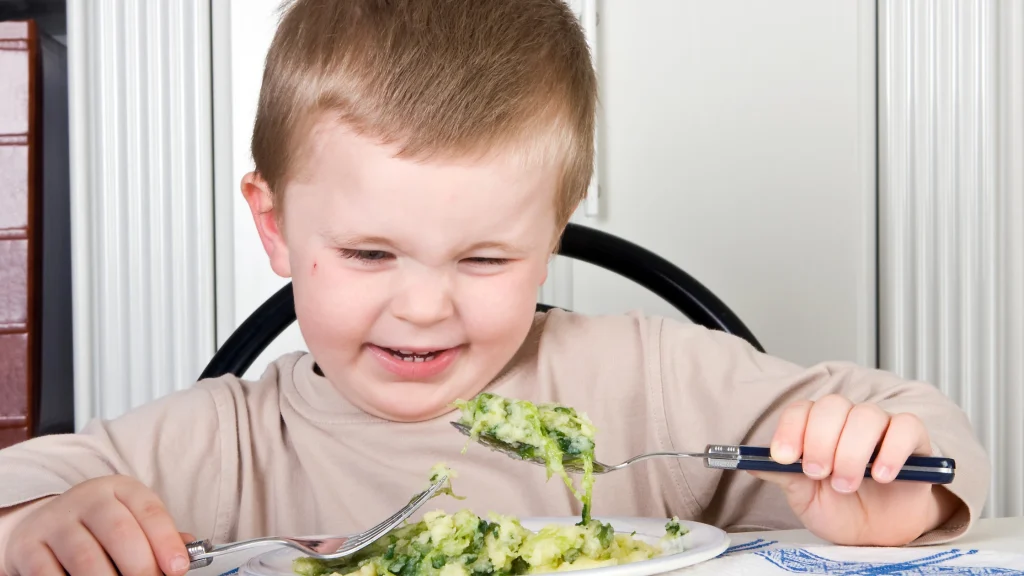
Every parent of a fussy eater knows the routine: the same five “safe” foods on rotation, mealtime negotiations, and the quiet worry about whether a limited diet is affecting a child’s health. Beyond nutrient gaps, there’s another consequence worth understanding: a narrow diet also means a narrower gut microbiome. Research continues to show that dietary variety plays an important role in shaping the gut microbiome during childhood. Read the research.
Why Diet Diversity Matters So Much for the Gut
The gut microbiome thrives on variety. Different types of fibre, found in different vegetables, fruits, legumes, and grains, feed different strains of beneficial bacteria. A child eating the same handful of foods repeatedly, even if those foods are nutritious, may be inadvertently limiting the diversity of their gut bacteria in ways that aren’t obvious from the outside.
This matters because microbiome diversity in early childhood is linked to:
- Stronger immune resilience going into school years, when exposure to illness increases significantly
- Better digestive comfort, including reduced bloating and more regular bowel habits
- More stable mood and behaviour, via the gut-brain axis, which is increasingly studied in relation to childhood emotional regulation
- Reduced risk of certain allergies and sensitivities later in life, according to some longer-term research
Picky Eating Is Usually Not a Discipline Problem
It’s worth saying clearly: fussy eating in toddlers and young children is developmentally normal and rarely a sign of “bad parenting” or a child being deliberately difficult. Taste preferences, sensory sensitivities, and a natural caution around new foods, known as food neophobia, are well documented in child development research and tend to peak between roughly two and six years of age before gradually easing.
The goal isn’t to force variety through pressure, which often backfires and can entrench resistance further, but to create low-stress opportunities for a child’s diet to widen naturally over time, at a pace that respects the child’s own developmental stage.
Practical Strategies That Don’t Involve Battles
- Repeated, pressure-free exposure. Research suggests it can take eight to fifteen exposures to a new food before a child accepts it. Offering it without pressure to eat, repeatedly, matters more than a single “opportunity” that ends in a battle. CDC guidance.
- Pair new foods with familiar ones. Serving a new vegetable alongside an already-accepted favourite reduces the perceived risk for a hesitant eater.
- Involve children in preparation. Children are often more willing to try foods they’ve helped wash, stir, or serve themselves.
- Offer variety within accepted categories. If a child eats one type of fruit, gradually introduce others with similar textures rather than jumping to something very different in taste or texture.
- Model eating the food yourself, calmly and without commentary, at the same table, since children learn a great deal from simply observing.
- Avoid using dessert or treats as a reward for eating vegetables, which research shows can actually decrease long-term preference for the “chore” food rather than building genuine acceptance.
Common Myths About Picky Eating
- “A picky eater will just grow out of it on their own with no intervention.” Many children do widen their diet naturally over time, but low-pressure, repeated exposure genuinely speeds this process. Simply waiting, without any gentle exposure strategy, can sometimes prolong an overly narrow diet longer than necessary.
- “If my child won’t eat vegetables, hiding them in sauces is just as good.” Hidden vegetables can help with nutrient intake in the short term, but they don’t help a child learn to accept the actual taste and texture of the food, which is the longer-term goal for genuine diet diversity and microbiome benefit.
- “Picky eating means something is wrong with my parenting.” As covered above, this is generally not the case. Most picky eating reflects normal developmental caution around new foods, not a parenting failure.
Supporting Gut Health Even With a Limited Diet
While working on gradual diet expansion, focus on maximising diversity within what is already accepted, consider whether a paediatric-appropriate probiotic food or supplement is worth discussing with a paediatrician, and be patient, since microbiome diversity can improve over months as the diet widens, not overnight.
The South African Context
South African households often navigate picky eating alongside genuinely difficult budget constraints, meaning the “just offer more variety” advice common in international parenting content doesn’t always translate easily. Affordable, widely available options like seasonal vegetables, dried beans and lentils, eggs, and amasi can support real dietary diversity without requiring expensive imported “superfoods” that aren’t realistic for many families.
Extended family involvement in childcare, common in many South African households, can also mean a child receives different food messaging from different caregivers, which is worth aligning on gently rather than creating conflicting expectations around meals.
When to Seek Additional Support
If picky eating is severe, causing significant nutritional concern, or accompanied by extreme distress around food, it’s worth discussing with a paediatrician or a feeding specialist, as this can sometimes indicate a sensory processing or feeding disorder requiring dedicated support beyond typical developmental fussiness.
Frequently Asked Questions
Should I force my child to sit at the table until they finish their vegetables?
This approach tends to increase mealtime stress and can worsen resistance to the food in question over time. Pressure-free exposure, offered repeatedly without a battle over finishing, tends to be more effective long-term.
Is it normal for a picky eating phase to last years?
Yes, this is common, particularly through the toddler and early primary school years. Consistency with gentle exposure strategies over this period tends to matter more than expecting quick results.
Can a multivitamin make up for a limited diet’s effect on gut diversity?
A multivitamin can help address some nutrient gaps, but it doesn’t replicate the fibre diversity needed to support microbiome variety, since vitamins and minerals address different nutritional needs than the fibre types that feed gut bacteria.
Do older siblings influence a picky eater’s willingness to try new foods?
Often, yes. Children frequently model eating behaviour after siblings and peers, so involving an older sibling in modelling calm, low-pressure eating of a new food can sometimes be more effective than parental encouragement alone.
GHASA’s Role
GHASA supports South African families with realistic, judgment-free guidance on children’s gut health, because we know mealtime battles are stressful enough without added pressure from well-meaning but unrealistic advice. Learn more about why early nutrition matters in The First 1000 Days: Seeding the Foundation of a Child’s Brain, and continue reading Shaping the Future Man: How Preschool Gut Health Hardwires Cognitive and Hormonal Vitality.
This article is intended for educational purposes only and should not replace advice from a qualified paediatrician, dietitian, or feeding specialist.