
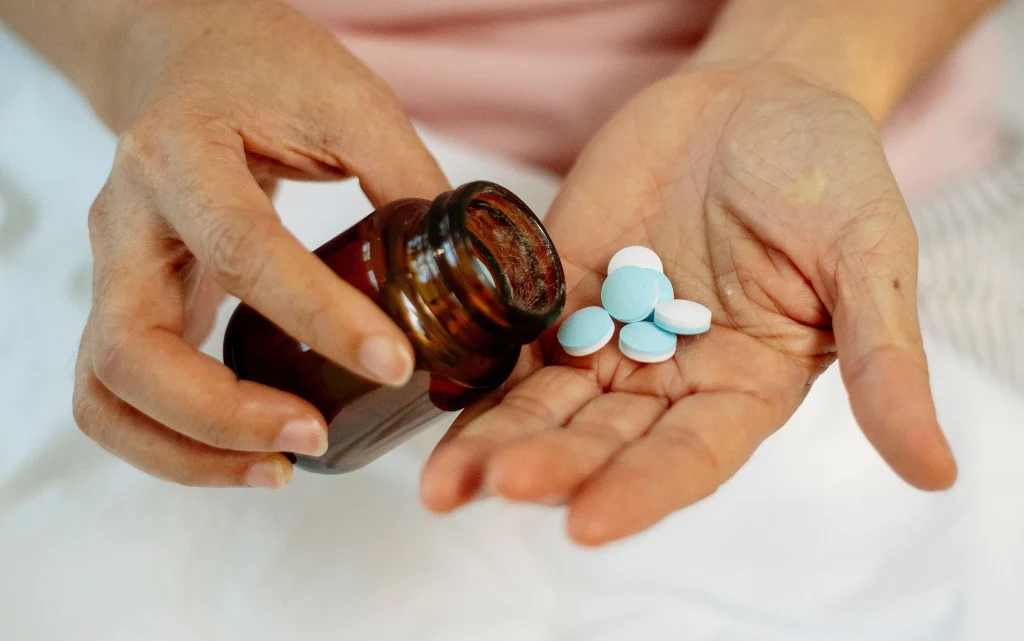
Antibiotics are one of modern medicine’s most important tools. They can treat bacterial infections that might otherwise become serious or life-threatening, and when they are genuinely needed, taking them as prescribed is important.
But antibiotics can also affect bacteria that were not responsible for the original infection.
Your digestive tract is home to a complex community of microorganisms collectively known as the gut microbiome. These microorganisms interact with each other and with your body, contributing to digestion, metabolism and protection against certain harmful organisms.
When antibiotics enter the picture, that ecosystem can change.
The effect is not necessarily permanent, and the gut microbiome has a remarkable ability to recover. However, recovery does not happen in exactly the same way or at the same speed for everyone.
So what happens after you finish an antibiotic course, and what can you actually do to support your gut during the recovery period?
Why Antibiotics Affect the Gut Microbiome
Antibiotics are designed to kill or inhibit bacteria that cause infections. However, most antibiotics cannot distinguish perfectly between bacteria that are causing illness and bacteria that are simply living harmlessly in your body.
This is particularly relevant with broad-spectrum antibiotics, which act against a wider range of bacteria.
As a result, treatment can temporarily change the composition and diversity of microorganisms in the gut.
A study published in Nature Microbiology followed healthy adults after a short course of broad-spectrum antibiotics. The researchers found substantial changes in the gut microbiome, including reductions in some beneficial bacterial groups and changes in bacteria associated with potential pathogenic activity. The microbiome recovered substantially over time, but some species remained undetectable in many participants even six months later.
This is an important finding, but it should not be interpreted as meaning that every person who takes antibiotics will have a damaged microbiome for six months.
Different antibiotics affect different bacteria, and different people recover differently.
Another study involving 70 healthy adults taking amoxicillin-clavulanic acid found significant changes in the gut bacterial community during treatment, followed by relatively rapid recovery after the antibiotic was stopped.
In other words, there is no universal recovery timeline.
What Happens to the Gut After Antibiotics?
Think of the gut microbiome as an ecosystem rather than a fixed collection of bacteria.
When antibiotics reduce certain populations, the balance of that ecosystem changes.
Some bacteria may decrease dramatically. Others may survive. Certain microorganisms may temporarily become more abundant because their competitors have been reduced.
This can influence the environment inside the colon and, in some people, contribute to digestive symptoms.
The microbiome is resilient, however. Once the antibiotic is stopped, surviving bacteria can reproduce and the wider community can begin rebuilding.
Your diet, health status, previous antibiotic exposure and the specific antibiotic used can all influence this process.
Common Digestive Symptoms After Antibiotics
Some people notice changes during an antibiotic course, while others only notice them afterwards.
Possible symptoms include:
- Loose stools
- Diarrhoea
- Bloating
- Increased gas
- Abdominal discomfort
- Changes in bowel habits
- Reduced appetite
These symptoms do not automatically mean that your gut microbiome has been permanently damaged.
Antibiotics themselves can cause gastrointestinal side effects, and changes in the microbiome can also contribute.
For many people, these symptoms settle as treatment ends and the digestive system returns towards its usual state.
However, persistent or severe symptoms should not simply be blamed on a “damaged gut”.
Antibiotics and Antibiotic-Associated Diarrhoea
Diarrhoea is one of the better-known gastrointestinal effects associated with antibiotic use.
Most cases are relatively mild, but antibiotics can also increase the risk of infection with Clostridioides difficile (C. diff).
C. diff can cause diarrhoea and inflammation of the colon and is particularly associated with antibiotic exposure. The CDC notes that most C. diff infections occur while or soon after taking antibiotics.
This is one reason persistent diarrhoea after antibiotics deserves attention.
If diarrhoea is severe, lasts for several days, or occurs alongside fever, significant abdominal pain, blood in the stool or signs of dehydration, speak to a healthcare professional rather than assuming you simply need to “rebalance your gut”.
So How Does the Gut Recover?
There is no single gut “reset” that instantly restores the microbiome.
Instead, recovery is a biological process.
Surviving microorganisms begin to reproduce, food provides substrates for microbial fermentation, and the microbial ecosystem gradually moves towards a new equilibrium.
One of the most useful things you can do is return to a varied, nutritious diet once your appetite and digestion allow it.
1. Eat Fibre-Rich Foods
Fibre is one of the most important foods for the gut microbiome.
Vegetables, fruit, legumes, oats, whole grains, nuts and seeds provide different types of fibre that can be used by gut microorganisms.
Some fibres are fermented by bacteria, producing compounds such as short-chain fatty acids.
Rather than relying on one particular “superfood”, aim for variety.
If your diet has been very limited during an illness, start gently. Increasing fibre dramatically overnight can itself cause gas and bloating.
Our Probiotics & Prebiotics Explained guide explains how prebiotic fibres provide fuel for microorganisms in the gut and gives examples of everyday food sources.
2. Include Fermented Foods If You Tolerate Them
Fermented foods such as plain yoghurt, kefir, sauerkraut and other fermented vegetables can contain live microorganisms.
They can be a useful addition to a varied diet, but they should not be viewed as a guaranteed way to “repopulate” the gut.
Different fermented foods contain different microorganisms, and the effects of consuming them depend on the food, preparation and individual.
If fermented foods cause discomfort, there is no need to force them into your diet.
3. Focus on Dietary Variety
Gut recovery is not simply about adding one probiotic food.
The microbiome responds to the overall dietary environment.
Eating a range of vegetables, fruits, legumes, whole grains, nuts and seeds gives the gut microbial community access to a wider variety of substrates.
This is one reason that a diverse diet is generally more useful than becoming overly focused on a single supplement or ingredient.
You can also explore the Gut Health SA resources for practical guides and educational material covering diet, probiotics, prebiotics and digestive health.
4. Stay Hydrated
If antibiotics have caused diarrhoea or loose stools, maintaining adequate fluid intake becomes particularly important.
Diarrhoea causes loss of water and electrolytes, so replacing fluids helps reduce the risk of dehydration.
If diarrhoea is significant or persistent, however, drinking water alone may not be enough. Medical advice may be necessary.
5. Don’t Automatically Reach for a Probiotic Supplement
Probiotic supplements are often marketed as a solution for antibiotic-related gut problems.
The reality is more nuanced.
Probiotic effects are strain-specific, meaning that evidence for one strain cannot automatically be applied to every probiotic product.
Some probiotics have been studied for preventing antibiotic-associated diarrhoea, but that does not mean every commercially available probiotic will provide the same benefit.
This is particularly important for people who are seriously ill or immunocompromised, who should discuss probiotic use with a healthcare professional.
What About Taking Probiotics With Antibiotics?
If a healthcare professional recommends a probiotic while you are taking antibiotics, follow the specific instructions they provide.
There is no universal rule that every probiotic must be taken a particular number of hours away from every antibiotic because probiotic products contain different microorganisms and formulations.
The important point is that probiotics are not a substitute for antibiotics when an antibiotic is medically indicated.
They should also not be used as a reason to stop, shorten or alter an antibiotic prescription without speaking to the prescribing healthcare professional.
The Importance of Antibiotic Stewardship
Supporting your gut after antibiotics is useful, but there is an even bigger consideration: using antibiotics appropriately in the first place.
Antibiotics do not treat viral infections such as most ordinary colds and many cases of uncomplicated viral respiratory illness.
Taking antibiotics when they are not needed exposes both you and your microbiome to unnecessary antibiotic effects and contributes to the broader problem of antimicrobial resistance.
That does not mean you should avoid antibiotics.
It means they should be used when a healthcare professional determines that they are appropriate.
If you have questions about whether an antibiotic is necessary, ask your doctor or pharmacist rather than stopping treatment yourself.
Can You Prevent All Gut Changes From Antibiotics?
Probably not.
Even a correctly prescribed antibiotic can alter the gut microbiome because its antibacterial activity is not limited to the bacteria causing the original infection.
The goal should therefore not be to prevent every microbiome change.
Instead, think about supporting recovery.
Eat a varied diet.
Include fibre-rich foods as tolerated.
Stay hydrated.
Return gradually to your normal eating pattern after illness.
Use fermented foods if you enjoy and tolerate them.
And avoid unnecessary antibiotic exposure in the future.
When Should You Speak to a Doctor?
Not every digestive symptom after antibiotics is an emergency, but some symptoms should not be ignored.
Seek medical advice if you experience:
- Persistent or severe diarrhoea
- Blood in your stool
- Fever
- Severe or worsening abdominal pain
- Significant dehydration
- Repeated diarrhoea after completing antibiotics
- Symptoms that are getting worse rather than better
This is particularly important because antibiotic exposure can increase the risk of C. diff infection. The CDC recommends contacting a healthcare professional if diarrhoea develops during or after antibiotic use so that the cause can be assessed.
The Takeaway
Antibiotics can be lifesaving, and when they are needed, they should not be avoided because of concerns about the gut microbiome.
At the same time, it is worth recognising that antibiotics can temporarily change the bacterial community living in your digestive tract.
The good news is that the gut microbiome has considerable resilience.
Research shows that recovery can occur after antibiotic treatment, although the speed and completeness of recovery vary between individuals and between antibiotics.
Rather than looking for a dramatic “gut reset”, focus on simple foundations:
Eat a varied, fibre-rich diet.
Stay hydrated.
Include fermented foods if you tolerate them.
Use supplements thoughtfully rather than automatically.
And take antibiotics only when they are medically appropriate.
Your gut does not necessarily need a complicated recovery programme.
Sometimes it needs time, nourishment and a return to a diverse diet.
This article is for general educational purposes only and does not replace personalised medical advice. If you have persistent diarrhoea, blood in your stool, fever, severe abdominal pain, dehydration or other concerning symptoms following antibiotic treatment, contact a doctor or other qualified healthcare professional.
Scientific links