
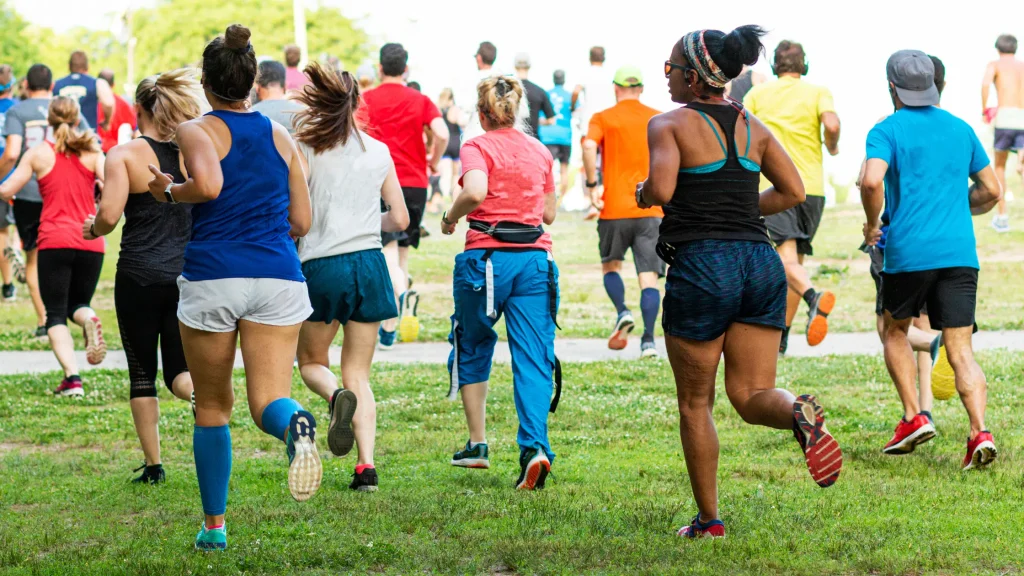
Ask an endurance athlete about a long race and the conversation often includes more than training and finishing times. There may be a story about nausea halfway through, an unexpected bathroom stop, stomach cramps or the moment fuelling became almost impossible.
For athletes taking on events such as the Comrades Marathon or an Ironman, digestive problems can become a serious performance issue. The harder and longer you exercise, the more demanding it becomes for your gastrointestinal system to keep up with hydration and nutrition.
The good news is that gut distress is not always something you simply have to accept. Your gut can be trained, just like your legs and cardiovascular system.
Why Endurance Events Are Hard on the Gut
Several things happen inside the body during prolonged exercise that can make digestion more difficult.
Blood flow is redirected
During strenuous exercise, the body prioritises blood flow to the muscles and skin. This can reduce blood flow to the digestive system.
The effect becomes more important as exercise intensity and duration increase. In some athletes, reduced blood flow to the gut can contribute to nausea, abdominal pain, diarrhoea and other gastrointestinal symptoms.
This is one reason that a fuelling strategy that works perfectly while sitting at home may feel very different when you are several hours into a hard race.
Running creates mechanical stress
Running also adds repeated physical movement to the digestive system.
Every foot strike creates some degree of jostling. Over a short run, this may not cause any problems. Over several hours, however, the combination of mechanical movement, reduced gut blood flow and food and fluid intake can contribute to digestive distress.
This is one reason some runners experience symptoms that are less noticeable during cycling.
Heat and hydration matter
South African endurance events can expose athletes to challenging environmental conditions. Heat can increase physiological strain and make gastrointestinal symptoms more likely.
Hydration also needs to be managed carefully. Dehydration can contribute to gastrointestinal problems, but drinking excessively can create problems too. The goal is not simply to drink as much as possible. Your hydration strategy should be appropriate for the conditions, your sweat losses and your race plan.
Carbohydrate can become difficult to tolerate
Long endurance events require athletes to replace some of the energy they are using. That often means consuming carbohydrates during exercise.
But there is a catch: taking in large amounts of carbohydrate without practising beforehand can overwhelm an athlete’s ability to tolerate it.
A systematic review of gut-training research found that repeated carbohydrate feeding during exercise may reduce gut discomfort and carbohydrate malabsorption in some endurance athletes, although the evidence is still developing.
Common Race-Day Gut Problems
Endurance athletes may experience:
- Nausea, particularly during the later stages of long events.
- Abdominal cramping or pain.
- Urgent bowel movements or diarrhoea.
- Bloating.
- Reflux or heartburn.
- A feeling of fullness that makes further fuelling difficult.
- Difficulty tolerating gels, drinks or solid foods.
These symptoms can range from mildly uncomfortable to severe enough to slow an athlete down or force them to stop.
Importantly, not every episode of race-day gut distress has the same cause. Pacing, heat, hydration, anxiety, food choices, carbohydrate intake and an individual’s underlying gut sensitivity can all play a role.
Gut Training: The Strategy Many Athletes Miss
Most endurance athletes understand the importance of training their legs before race day. Far fewer think about training their gut.
Yet the digestive system also needs practice.
If you intend to consume carbohydrates regularly throughout a four-, six- or ten-hour event, your long training sessions should give your gut opportunities to practise handling that strategy.
Practise your race-day fuelling
Don’t wait until race morning to discover that a particular gel makes you nauseous.
Test your planned:
- Energy gels.
- Sports drinks.
- Electrolytes.
- Bars or other solid foods.
- Carbohydrate quantities.
- Timing of each feeding.
Use them during long training sessions and pay attention to how your gut responds.
A 2023 systematic review found that repeated exposure to carbohydrate and fluid during exercise may reduce gastrointestinal discomfort in some athletes. The researchers also noted that results varied between studies, so gut training should be individualised rather than treated as a guaranteed solution.
Increase gradually
If your race strategy involves a high carbohydrate intake, build towards it during training rather than suddenly consuming large amounts on race day.
Your goal is to find the highest intake you can tolerate comfortably while still meeting the nutritional demands of your event.
More is not automatically better.
Practical Race-Day Strategies
Don’t experiment on race morning
This is one of the simplest rules in endurance nutrition.
If you have never eaten a particular breakfast before a long run, race day is not the time to try it.
The same applies to gels, sports drinks, supplements and unfamiliar foods at aid stations.
Race day should be execution, not experimentation.
Consider your pre-race meal
Many athletes benefit from reducing fibre and avoiding very fatty or difficult-to-digest foods immediately before intense endurance exercise. However, this does not mean you should eliminate fibre from your normal diet.
The goal is to reduce the amount of food that may remain in the digestive system when the race begins.
Your individual tolerance matters. Practise your pre-race meal during training.
Be sensible with hydration
Both dehydration and excessive fluid intake can create problems during endurance events.
Instead of copying another athlete’s drinking strategy, work out what works for your body and the conditions you expect to encounter. A sports dietitian can help you develop a more individualised plan, particularly for an ultra-endurance event.
Don’t ignore alcohol in your overall preparation
Alcohol can affect hydration, sleep and gut health. If you’re preparing for a major endurance event, your overall recovery habits matter as much as what happens on race morning.
Our article on beer, bloating and what your gut may be telling you explores the relationship between alcohol and digestive health in more detail.
What About Low-FODMAP Diets?
You may have heard endurance athletes recommend a low-FODMAP diet before competition.
Some research suggests that reducing certain fermentable carbohydrates for a short period may reduce gastrointestinal symptoms in athletes who are particularly sensitive to them.
However, this does not mean every endurance athlete should follow a low-FODMAP diet.
It can be restrictive and may reduce fibre and carbohydrate variety if poorly planned. A sports dietitian can help determine whether it is appropriate for you.
Recent research continues to describe low-FODMAP approaches and gut training as potentially useful strategies, but also highlights how individual the response can be.
Why Race-Day Anxiety Can Make Things Worse
Your gut and brain communicate constantly.
Race-day nerves can activate the body’s stress response, which can influence gut movement and sensitivity. That means an athlete can experience digestive symptoms even when their nutrition strategy is otherwise sound.
This can create a vicious cycle:
Nerves → gut symptoms → anxiety about the gut → more stress → worse symptoms.
Having a fuelling plan that you have already tested can help reduce some of this uncertainty.
Frequently Asked Questions
Why do I get gut problems during races but not normal training runs?
Race conditions can be very different from ordinary training. You may run faster, consume more carbohydrates, experience more heat, drink differently and feel more nervous. All of these factors can affect your gut.
This is why training should sometimes reproduce the intensity, fuelling and environmental conditions of your target race, not just the distance.
Can you really train your gut?
Yes, to an extent. Research suggests that repeated exposure to carbohydrate and fluid during exercise may improve tolerance and reduce some gastrointestinal symptoms. However, responses vary between athletes, so the process should be gradual and individualised.
Should I use a low-FODMAP diet before my race?
Not automatically. Some athletes may benefit from a short-term low-FODMAP approach, particularly if they have a history of gastrointestinal symptoms. However, it is restrictive and should ideally be planned with a sports dietitian.
When should I see a doctor?
Frequent or severe gastrointestinal symptoms should not automatically be blamed on endurance training. If you experience blood in your stool, unexplained weight loss, persistent abdominal pain, repeated vomiting or significant symptoms outside exercise, speak to a healthcare professional.
GHASA’s Role
South Africa has a passionate endurance-sport community, from road runners and cyclists to athletes taking on some of the country’s toughest ultra-endurance events.
GHASA’s goal is to help athletes understand that gut health is part of performance. Good training is not only about building stronger legs. It also means understanding how your body responds to food, fluid, stress and prolonged exercise.
The bottom line: Don’t wait until race day to discover whether your gut can handle your fuelling strategy. Test it, practise it and adjust it during training. Your gut needs preparation too.
This article is intended for educational purposes only and should not replace advice from a qualified sports dietitian or medical professional.
Scientific Sources
- Martinez IG, Mika AS, Biesiekierski JR, Costa RJS. The Effect of Gut-Training and Feeding-Challenge on Markers of Gastrointestinal Status in Response to Endurance Exercise: A Systematic Literature Review. Sports Medicine, 2023. Read the systematic review on PubMed
- Mlinaric J, Mohorko N. Nutritional strategies for minimizing gastrointestinal symptoms during endurance exercise: systematic review of the literature. Journal of the International Society of Sports Nutrition, 2025. Read the systematic review on PubMed