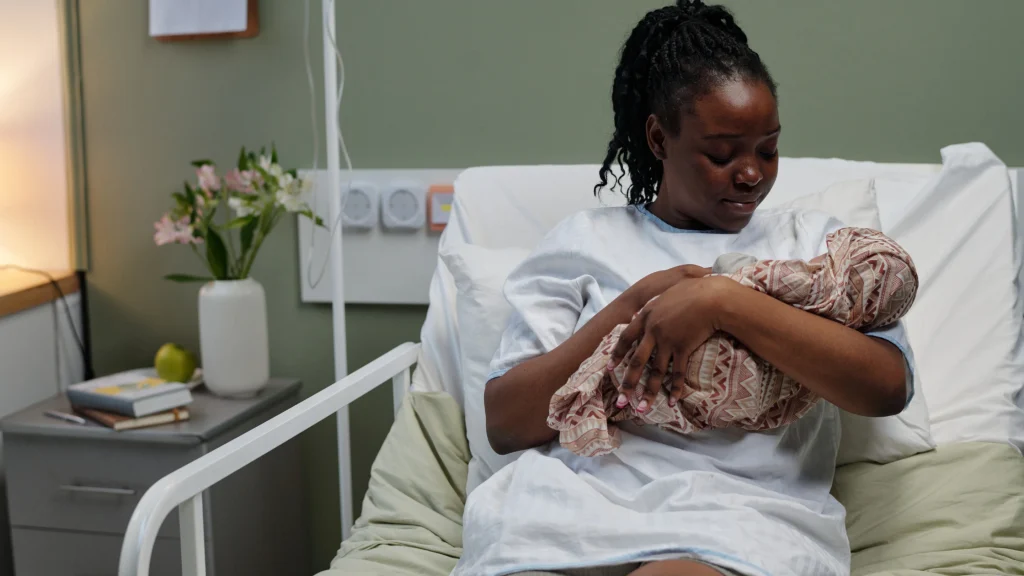
The postpartum period gets enormous attention for sleep deprivation, breastfeeding, emotional adjustment and caring for a newborn—and rightly so.
What often gets less attention is what is happening to a new mother’s digestion.
Pregnancy, childbirth, changes in physical activity, medications, iron supplementation, pain and the demands of caring for a newborn can all influence bowel function during the weeks and months after birth. For some women, constipation, bloating, haemorrhoids or changes in bowel habits become an uncomfortable part of recovery.
Understanding postpartum gut health can help new mothers recognise what may be common during recovery—and when a digestive problem deserves medical attention.
Why Does the Gut Change After Pregnancy?
Pregnancy involves major hormonal, metabolic and immune changes, and these changes are accompanied by changes in the maternal gut microbiome.
Research suggests that the maternal gut microbiome changes throughout pregnancy, although scientists are still working to understand exactly what these changes mean for the mother’s health.
After birth, the microbiome continues to change.
A 2023 systematic review of 27 studies examining the maternal gut microbiome during the postpartum period found that gut microbial composition varied between the early postpartum period and later months. The review also identified factors such as timing of delivery, diet and probiotic supplementation as potential influences on postpartum microbiome composition. However, the researchers noted that there is still limited evidence about how these microbiome changes affect maternal health.
Scientific source: Maternal gut microbiota in the postpartum period: A systematic review — European Journal of Obstetrics & Gynecology and Reproductive Biology
This means that postpartum gut recovery is real, but it is not necessarily a simple process of the microbiome becoming “damaged” during pregnancy and then needing to be “reset.”
The postpartum period is better understood as a period of physiological transition.
Common Postpartum Digestive Issues
Constipation
Constipation is common after childbirth.
Several factors can contribute, including reduced physical activity, changes in diet and fluid intake, pain, iron supplements and medications. Fear of having a bowel movement can also make things more difficult, particularly after a tear, episiotomy or other perineal injury.
After a caesarean birth, abdominal surgery, reduced mobility and postoperative pain can also affect normal bowel function.
Constipation can become a cycle: stool becomes harder, bowel movements become uncomfortable, and a person may then delay going to the toilet, which can make constipation worse.
Haemorrhoids
Haemorrhoids can develop during pregnancy and may become more uncomfortable after labour.
Pressure on the pelvic veins during pregnancy, constipation and straining can contribute to haemorrhoids, while pushing during vaginal birth may make existing symptoms more noticeable.
They can cause:
- Pain or discomfort
- Itching
- Swelling
- Bleeding during bowel movements
Although haemorrhoids are common, severe or persistent symptoms should still be discussed with a healthcare professional.
Bloating and Changes in Digestion
Some women notice bloating, abdominal discomfort or changes in bowel habits after giving birth.
There isn’t one universal explanation.
Changes in hormones, physical activity, diet, medications, sleep and stress can all influence digestion. The gastrointestinal system is also closely connected to the nervous system, meaning that the enormous physical and emotional demands of caring for a newborn can affect how digestive symptoms are experienced.
Persistent symptoms should not automatically be dismissed as “just postpartum.”
Pelvic Floor Changes
Pregnancy and childbirth can affect the pelvic floor—the group of muscles and connective tissues supporting the bladder, bowel and reproductive organs.
Pelvic floor dysfunction can contribute to bowel difficulties, including problems with evacuation.
A systematic review of postpartum pelvic floor dysfunction found that pregnancy and childbirth are associated with pelvic floor problems and highlighted the importance of identifying symptoms and assessing their effect on quality of life.
Another systematic review and meta-analysis found that certain obstetric factors, including anal sphincter injury, were associated with anorectal dysfunction after delivery.
This is important because persistent constipation or difficulty emptying the bowel may sometimes involve more than diet alone.
Does a Caesarean Affect Gut Health?
A caesarean birth is major abdominal surgery, so recovery can temporarily affect normal movement, activity levels and bowel function.
Anaesthesia, pain medication, reduced mobility and changes in eating and drinking after surgery can all contribute to temporary bowel changes.
There is also considerable interest in how delivery mode influences the microbiome. However, much of the research focuses on the infant’s microbiome, while evidence about long-term changes to the mother’s gut microbiome following caesarean delivery remains less established.
Similarly, antibiotics given around childbirth can influence gut bacteria. This is one reason researchers consider delivery mode, antibiotic exposure, diet and other environmental factors when studying postpartum microbiome changes.
The important message is that a caesarean does not mean your gut microbiome has been permanently damaged.
What About Breastfeeding?
Breastfeeding creates substantial nutritional and metabolic demands on the mother.
Breastfeeding women generally need additional energy and may experience changes in thirst and appetite. Adequate fluid and nutrient intake therefore remain important for the mother’s health as well as supporting milk production.
Breastfeeding also has an important relationship with the infant’s microbiome. Human milk contains compounds that interact with the developing infant gut microbiota, and maternal and infant microbial systems are an active area of research.
However, evidence specifically showing that breastfeeding causes a particular pattern of changes in the mother’s own gut microbiome remains limited.
A 2024 review in Nature Reviews Gastroenterology & Hepatology describes the maternal microbiome as an important component of pregnancy and early-life microbial development, while also highlighting the many unanswered questions surrounding maternal microbial changes and their consequences.
Scientific source: The maternal gut microbiome in pregnancy: implications for the developing immune system — Nature Reviews Gastroenterology & Hepatology
Supporting Gut Health After Birth
Postpartum recovery is not the time to pursue extreme diets or aggressive “detoxes.”
The basics matter most.
Prioritise fibre
Fibre can help support regular bowel movements.
Good sources include:
- Vegetables
- Fruits
- Whole grains
- Beans and lentils
- Nuts and seeds
If you have been eating very little fibre, increase it gradually rather than making a sudden dramatic change, particularly if you are already experiencing bloating.
Drink enough fluids
Adequate hydration is particularly important if you are breastfeeding and can also help support normal bowel function.
Rather than focusing on a specific amount that applies to every woman, drink regularly throughout the day and pay attention to thirst, urine colour and your individual needs.
Move gently when medically appropriate
Gentle physical activity can support normal bowel function and overall recovery.
Depending on the type of delivery and any complications, this might begin with short walks and gradually increase as your healthcare professional advises.
Don’t push through significant pain or ignore medical restrictions following childbirth.
Be thoughtful about iron supplements
Iron is commonly recommended during pregnancy and postpartum, particularly when iron deficiency or significant blood loss is present.
However, oral iron supplements can cause gastrointestinal side effects, including constipation, nausea and abdominal discomfort in some people.
That does not mean you should stop taking prescribed iron.
If iron appears to be worsening your constipation, speak with your doctor or midwife. They may be able to adjust the formulation, dose or treatment plan.
Eat regularly
Newborn care can make regular meals surprisingly difficult.
Skipping meals, relying heavily on convenience foods or going long periods without eating can make it harder to meet your nutritional needs during recovery.
Simple meals containing a source of protein, fibre-rich carbohydrates, vegetables or fruit and healthy fats can provide a practical foundation.
Your recovery matters too.
When Should You Speak to a Healthcare Professional?
Some digestive discomfort is common after birth, but persistent or severe symptoms should not simply be accepted as part of motherhood.
Speak with a doctor, midwife or other qualified healthcare professional if you experience:
- Severe or worsening abdominal pain
- Persistent constipation
- Significant rectal bleeding
- Severe or painful haemorrhoids
- Inability to pass stool or gas
- Persistent vomiting
- Significant abdominal swelling
- Fever alongside abdominal or pelvic symptoms
- New bowel-control problems
- Persistent difficulty emptying your bowel
If constipation continues for weeks or interferes with daily life, it deserves attention rather than simply waiting for it to disappear.
Frequently Asked Questions
How long does postpartum constipation usually last?
There is no single timeline that applies to everyone.
For many women, bowel function improves as mobility increases, pain decreases and the immediate effects of childbirth and medications settle.
However, persistent constipation should be discussed with a healthcare professional rather than assuming it will eventually resolve.
Does a caesarean cause poor gut health?
Not necessarily.
A caesarean is major surgery and can temporarily affect bowel function because of reduced mobility, anaesthesia, pain medication and changes in eating and drinking.
Delivery mode and antibiotic exposure may also influence the maternal microbiome, but the long-term implications for maternal gut health are still being studied.
Does breastfeeding affect the mother’s gut?
Breastfeeding increases the mother’s nutritional and fluid demands and involves substantial hormonal and metabolic activity.
However, research specifically examining breastfeeding’s effect on the mother’s gut microbiome is still limited. Much more is known about the role of breastfeeding in shaping the infant’s developing microbiome.
Is it normal to have digestive symptoms months after giving birth?
Some digestive changes can persist beyond the first few weeks, but ongoing symptoms deserve consideration rather than automatically being labelled “normal postpartum recovery.”
Pelvic floor dysfunction, constipation, IBS, dietary changes and other gastrointestinal or gynaecological issues can contribute to persistent symptoms.
If problems continue for several months, speak with a healthcare professional. A pelvic floor physiotherapist may also be appropriate when symptoms suggest pelvic floor dysfunction.
The First 1,000 Days
The postpartum period is also an important part of the broader maternal-infant health journey.
The mother’s health, nutrition and microbiome exist within a wider environment that influences the developing infant. GHASA explores this connection further in The First 1,000 Days: Seeding the Foundation of a Child’s Brain.
However, it is important not to turn this into pressure on new mothers to achieve a “perfect” microbiome or diet.
Postpartum recovery is already demanding enough.
GHASA’s Role
GHASA is committed to supporting South African women through every stage of the reproductive journey, including the postpartum period—a time when maternal digestive health can easily be overlooked.
Understanding postpartum gut health isn’t about finding a perfect recovery routine. It is about recognising that digestive symptoms can have legitimate physical causes and that mothers deserve support for their own health, not just the health of their newborn.
For more evidence-based information and practical resources, explore GHASA’s Gut Health Resources.
The Bottom Line
Your body goes through enormous changes during pregnancy, childbirth and the postpartum period. Your digestive system is part of that process.
Constipation, haemorrhoids, bloating and changes in bowel habits can occur after birth for many different reasons, including reduced mobility, medications, iron supplementation, dietary changes and pelvic floor changes.
Research also shows that the maternal gut microbiome changes during the postpartum period, although scientists are still working to understand what these changes mean for long-term maternal health.
Rather than trying to “reset” your gut after birth, focus on the fundamentals: adequate fluids, a varied and nutritious diet, gentle movement when medically appropriate and appropriate medical care when symptoms persist.
And remember: your recovery matters too.
This article is intended for educational purposes only and should not replace medical advice, diagnosis or treatment from a qualified healthcare professional.