
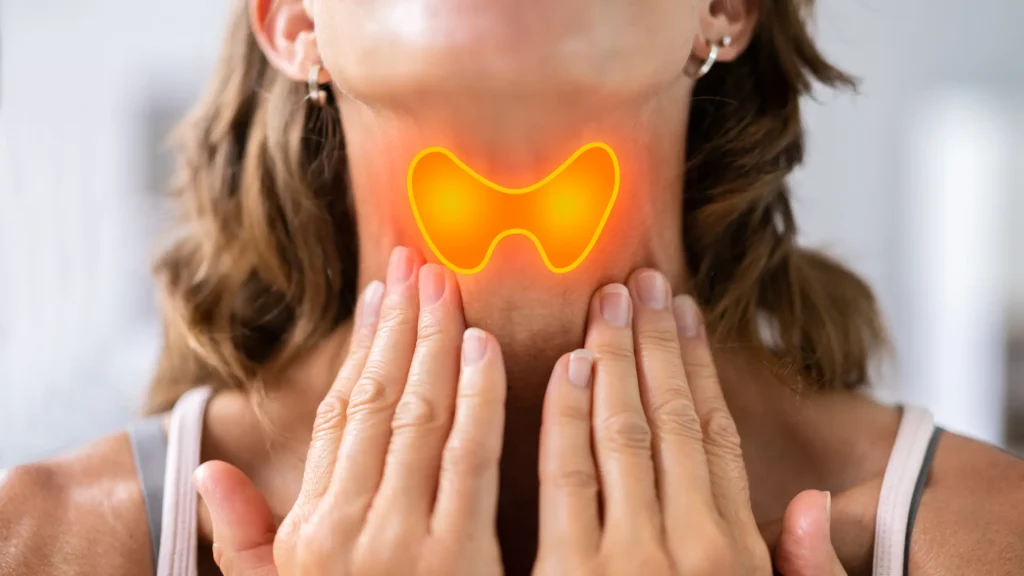
Unexplained fatigue. Weight that shifts despite no real change in diet or exercise. Sluggish digestion alongside brain fog. These symptoms sit at a crossroads that’s easy to miss, because they can point to either thyroid dysfunction or gut imbalance, and increasingly, research suggests the two are more connected than previously understood.
How the Gut and Thyroid Interact
Nutrient absorption for thyroid hormone production
The thyroid relies on nutrients including iodine, selenium, zinc, and iron to produce thyroid hormones. A compromised gut, with poor nutrient absorption, can quietly undermine thyroid function even when thyroid-specific nutrient intake looks adequate on paper. Evidence also shows that healthy intestinal function plays an important role in the absorption of these nutrients, NCBI (Thyroid-Gut Axis Review).
Conversion of thyroid hormone
A significant portion of the conversion of T4, the inactive thyroid hormone, into T3, the active form the body actually uses, occurs throughout peripheral tissues, with the intestinal environment and gut microbiome increasingly recognised as contributors to this process. An imbalanced microbiome may impair this conversion, contributing to symptoms of low thyroid function even when standard blood tests appear within range, NCBI Endotext.
Autoimmune overlap
Autoimmune thyroid conditions, such as Hashimoto’s thyroiditis, are increasingly linked in research to gut permeability and microbiome imbalance, as part of the broader relationship between gut health and autoimmune conditions generally, an area of active ongoing research, NCBI Review.
Shared inflammatory pathways
Chronic gut inflammation can contribute to a broader inflammatory state that affects thyroid function, while thyroid dysfunction itself can slow gut motility, creating a bidirectional relationship where each system can worsen the other.
For a deeper understanding of hormone – microbiome interactions, read our guide on the estrobolome and oestrogen regulation.
Symptoms That Overlap Between Gut and Thyroid Issues
- Persistent fatigue that doesn’t resolve with rest
- Constipation or slowed digestion appearing alongside other symptoms
- Weight changes not explained by diet or activity levels
- Brain fog or difficulty concentrating
- Hair thinning, sometimes one of the earlier noticed symptoms
- Mood changes, including low mood or anxiety
- Feeling cold more easily than usual, even in mild weather
Because these symptoms overlap so significantly, it’s genuinely difficult to distinguish gut-driven from thyroid-driven symptoms without proper testing, which is exactly why both should be considered together rather than in isolation when symptoms persist.
What This Means Practically
If thyroid symptoms persist despite what appears to be adequate treatment, or if gut symptoms persist despite dietary changes, it may be worth discussing both systems together with a healthcare provider, rather than treating them as entirely separate issues addressed by different specialists with no communication between them.
To better understand the foundations of digestive wellbeing, explore what modern science means by a healthy gut.
Supporting Both Systems
- Ensure adequate intake of thyroid-supportive nutrients, including iodine in moderation, selenium, and zinc, ideally through whole foods, discussed with a healthcare provider before supplementing.
- Support gut microbiome diversity through fibre variety and reduced ultra-processed food intake, given its role in hormone conversion.
- Address gut inflammation where present, since this may be contributing to broader inflammatory burden affecting thyroid function.
- Don’t dismiss persistent symptoms as “just stress” or “just gut issues” without appropriate thyroid testing, particularly given how common undiagnosed thyroid dysfunction is, especially in women.
Common Myths About Thyroid and Gut Health
“Normal thyroid blood test results rule out thyroid involvement entirely.”
Standard thyroid testing typically measures TSH and sometimes T4, but doesn’t always capture issues with T4-to-T3 conversion happening at the tissue level, including in the gut, which is why some people with “normal” results still experience symptoms.
“Iodine supplements are always safe and beneficial for thyroid health.”
Iodine is essential in appropriate amounts, but excessive iodine intake can actually worsen certain thyroid conditions, particularly autoimmune thyroid disease. This is worth discussing with a doctor rather than self-supplementing based on general advice. NCBI StatPearls.
“Gut health issues and thyroid issues are always separate problems needing separate treatment.”
Given the bidirectional relationship described above, addressing both together, where appropriate, often produces better outcomes than treating them as entirely unrelated.
A Note on Testing
Comprehensive thyroid testing beyond a basic TSH screen, including free T4, free T3, and thyroid antibodies where autoimmune involvement is suspected, gives a fuller picture than TSH alone.
Discussing which tests are appropriate, and why, is a reasonable question to raise with a doctor, particularly if symptoms persist despite a “normal” basic result.
The South African Context
Thyroid dysfunction, particularly hypothyroidism, is common but frequently underdiagnosed in South Africa, partly because fatigue and weight changes are often attributed to stress, work pressure, or “just getting older” rather than prompting thyroid testing.
Iodine deficiency has historically been a concern in some inland regions of South Africa, though iodised salt programmes have significantly improved this over recent decades, making it less of a widespread issue than in the past, though still worth being aware of.
Access to comprehensive thyroid testing, including T3 and thyroid antibody testing beyond a basic TSH screen, can also be limited or costly in some healthcare settings, meaning symptoms sometimes go unexplained even after an initial round of testing comes back “normal.”
Frequently Asked Questions
Should I get my gut checked if I have a thyroid condition?
It’s a reasonable conversation to have with your doctor, particularly if digestive symptoms persist despite thyroid treatment that otherwise seems to be working, since the gut may be an underappreciated contributing factor.
Can improving gut health alone fix a thyroid condition?
No. Thyroid conditions typically require appropriate medical diagnosis and treatment, often including medication. Gut health support is a complementary approach, not a replacement for necessary thyroid treatment.
Is Hashimoto’s thyroiditis linked to a specific diet?
Some research suggests gut-supportive, anti-inflammatory dietary patterns may help manage symptoms in Hashimoto’s thyroiditis, though this varies by individual and should be discussed with a healthcare provider familiar with the condition rather than following generic online protocols.
Can gut healing reverse an existing thyroid autoimmune condition?
There’s no current evidence that gut-focused interventions alone reverse autoimmune thyroid disease once established, though they may help manage inflammation and symptoms alongside appropriate medical treatment, which remains the primary approach.
GHASA’s Role
GHASA is committed to helping South Africans understand the interconnected nature of hormonal and digestive health, encouraging a more complete picture when symptoms don’t have an obvious single cause and have perhaps been dismissed too quickly in a previous consultation.
Disclaimer
This article is intended for educational purposes only and should not replace medical advice, diagnosis, or treatment from a qualified healthcare professional. Thyroid symptoms should always be properly tested and diagnosed by a doctor.