
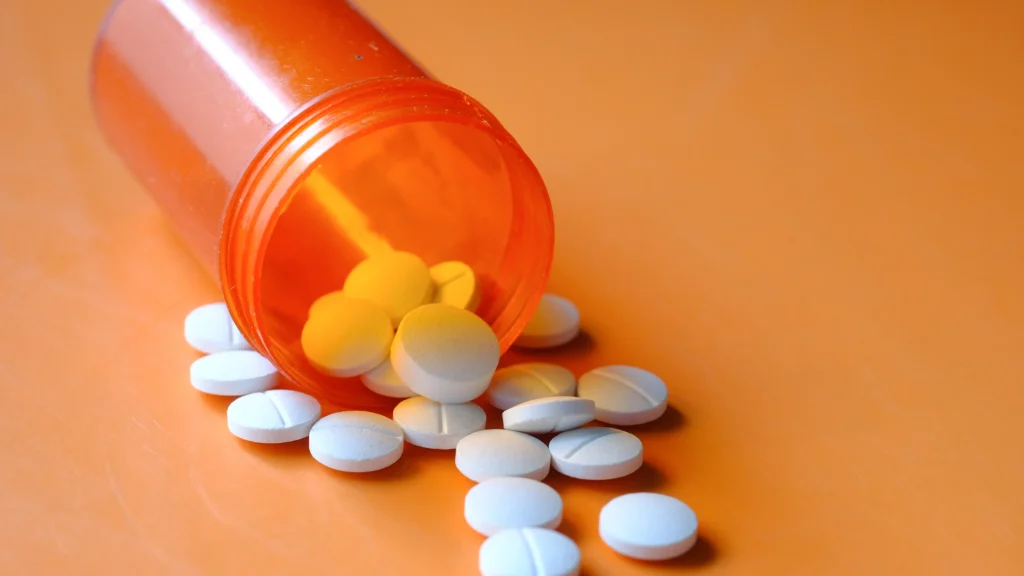
Antibiotics save lives, and when a doctor prescribes them for a genuine bacterial infection, they’re an essential tool. But most parents aren’t told much about what antibiotics do to a child’s gut in the process, or how to support recovery afterward, beyond a general instruction to “finish the course.”
What Antibiotics Do to the Gut Microbiome
Antibiotics don’t distinguish between harmful bacteria causing an infection and the beneficial bacteria that make up a healthy gut microbiome. A course of antibiotics can significantly reduce microbial diversity, sometimes within days of starting treatment. Research has consistently found that antibiotic exposure in children is associated with reductions in microbiome diversity and beneficial bacterial populations. Read the systematic review.
In children, whose microbiomes are still developing, particularly in the first few years of life, this disruption can be more pronounced than in adults, since a child’s gut ecosystem hasn’t yet reached the relative stability seen in adulthood and is more vulnerable to being knocked off balance.
Common Short-Term Effects
- Diarrhoea or loose stools during or shortly after a course of antibiotics
- Increased susceptibility to minor digestive upset in the weeks following treatment
- In some cases, oral or skin yeast overgrowth, as reduced bacterial competition allows yeast to flourish more easily than usual
Most of these effects resolve as the microbiome gradually recovers, though full recovery can take weeks to months depending on the antibiotic, dosage, and the child’s baseline gut health going into the course. Research suggests that some microbiome changes may persist for months after treatment, particularly with repeated courses or certain antibiotic classes.
This Isn’t a Reason to Avoid Necessary Antibiotics
It’s important to be clear: when a doctor determines antibiotics are necessary for a genuine bacterial infection, the benefits of treating the infection significantly outweigh the temporary disruption to gut bacteria. This isn’t an argument against appropriate antibiotic use; it’s information to help parents support recovery afterward, understanding what’s happening rather than being caught off guard by digestive symptoms during or after a course.
Supporting Gut Recovery After a Course
- Continue or introduce fibre-rich foods appropriate for the child’s age, to feed the beneficial bacteria that remain and support their regrowth
- Consider fermented foods, such as plain yoghurt or amasi, if the child tolerates dairy and it’s age-appropriate for their stage of development
- Ask your paediatrician about probiotics, particularly for longer or repeated antibiotic courses; timing and strain selection matter, so this is worth a specific conversation rather than a generic pharmacy purchase made without guidance. Evidence suggests probiotics may help reduce some antibiotic-associated digestive symptoms, but they are not a universal solution and should be discussed with a healthcare professional.
- Maintain consistency after the course ends, since gut recovery is gradual and benefits from a stable, diverse diet over the following weeks, not just the days immediately after finishing the medication
- Avoid unnecessary additional antibiotic courses where possible, by discussing with your doctor whether a course is genuinely required for a given illness, since repeated courses have a more significant cumulative effect on microbiome diversity than a single isolated course
Common Myths About Antibiotics and Gut Health
- “Probiotics should always be given during antibiotics.” Timing matters here, and blanket advice isn’t appropriate for every child or every antibiotic. This is genuinely worth discussing with a paediatrician rather than assuming a generic probiotic purchased at a pharmacy is the right choice.
- “A child’s gut fully recovers the moment the course ends.” Recovery is usually gradual, unfolding over weeks to months, not instantly at the final dose. Continued attention to diet in the weeks following a course matters more than many parents realise.
- “Natural remedies are always a safer alternative to antibiotics.” When a genuine bacterial infection is present, delaying appropriate antibiotic treatment in favour of unproven natural remedies can allow a treatable infection to worsen significantly. This is a distinct issue from supporting gut recovery after a medically necessary course.
A Note on Overuse
Antibiotic overuse, including for viral illnesses where antibiotics have no effect at all, remains a global concern, both for antibiotic resistance and for cumulative gut disruption in children who receive frequent courses during early childhood. Asking a doctor directly whether a bacterial infection has been confirmed, and whether antibiotics are genuinely necessary in a specific case, is a reasonable and increasingly encouraged question for parents to ask rather than simply accepting a prescription by default.
The South African Context
Antibiotic access and prescribing patterns vary across South Africa’s public and private healthcare systems, and over-the-counter access to some antibiotics in certain settings has historically been a concern for antimicrobial resistance. For South African parents, this makes the conversation with a prescribing doctor about whether antibiotics are truly necessary particularly relevant, alongside understanding how to support a child’s gut once a course is genuinely needed.
Many South African children also attend daycare or crèche settings from a young age, where exposure to common childhood infections, and corresponding antibiotic courses, tends to be more frequent than for children cared for primarily at home, making gut recovery knowledge especially relevant for working parents.
Frequently Asked Questions
Should every child take a probiotic after antibiotics?
Not automatically. It depends on the child’s age, the specific antibiotic and course length, and individual circumstances, which is why this is best discussed directly with a paediatrician rather than assumed as a blanket rule.
How long does it take for a child’s gut microbiome to fully recover after antibiotics?
This varies, but research suggests it can take anywhere from several weeks to a few months for microbial diversity to return to its prior state, and in some cases certain bacterial strains may not fully recover without deliberate dietary support.
Is it normal for my child to have diarrhoea while on antibiotics?
It’s common and usually not a reason for panic, though it’s worth mentioning to your doctor, particularly if it’s severe, persistent, or accompanied by other concerning symptoms like blood in the stool or high fever.
Should siblings avoid sharing food or cups with a child on antibiotics?
This isn’t specifically necessary for gut health reasons, though general hygiene practices during any illness are sensible. Antibiotics don’t make a child’s gut bacteria “contagious” in a way that meaningfully affects siblings through normal contact.
GHASA’s Role
GHASA is committed to helping South African parents understand their children’s gut health with clear, medically responsible information, supporting necessary medical treatment while also supporting recovery in a way that doesn’t second-guess a doctor’s clinical judgement.
To learn more about how early-life gut health shapes long-term development, read The First 1000 Days: Seeding the Foundation of a Child’s Brain.
For additional guidance on digestive health and microbiome-related symptoms, visit IBS in South Africa: Symptoms, Triggers and Evidence-Based Strategies to Finally Get Relief.
This article is intended for educational purposes only and should not replace medical advice. Always follow your doctor’s guidance regarding antibiotic use for your child, and consult a paediatrician before introducing probiotics or supplements.