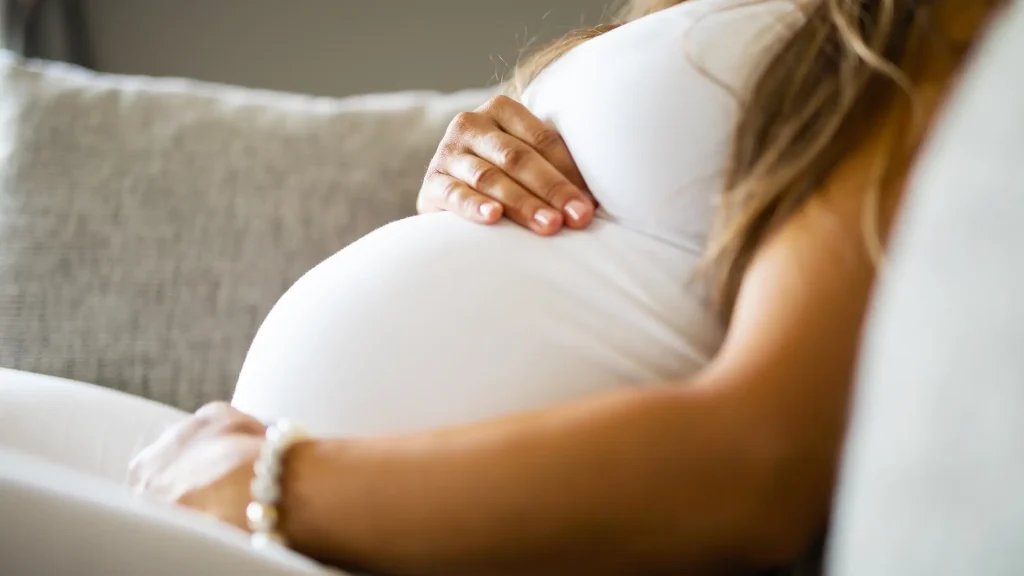
Few life stages transform the body as dramatically as pregnancy. As a baby develops, nearly every system adapts to support growth and prepare for birth. While most women expect changes such as fatigue, cravings and morning sickness, many are surprised by the extent to which pregnancy affects digestion.
Suddenly, foods that were once tolerated may trigger nausea. Constipation becomes a daily frustration. Heartburn appears out of nowhere. Bloating becomes common, and eating habits often change dramatically.
These experiences are not simply random pregnancy symptoms. They reflect a complex interaction between hormones, the digestive system and the gut microbiome.
Emerging research shows that the gut microbiome undergoes significant changes during pregnancy, influencing everything from metabolism and immune function to maternal health and infant development.
Understanding these changes can help expectant mothers navigate pregnancy with greater confidence and less anxiety.
What Happens to the Digestive System During Pregnancy?
Pregnancy triggers major hormonal changes, particularly increases in progesterone and oestrogen.
These hormones play essential roles in supporting pregnancy, but they also affect digestion.
Progesterone relaxes smooth muscle throughout the body. While this helps prevent premature uterine contractions, it also slows movement through the digestive tract.
As a result, food remains in the digestive system for longer periods, which can contribute to:
- Constipation
- Bloating
- Gas
- Slower digestion
- Feelings of fullness
As pregnancy progresses, the growing uterus also places physical pressure on the stomach and intestines, further influencing digestive comfort.
Understanding the Pregnancy Microbiome
The gut microbiome refers to the trillions of microorganisms living in the digestive tract.
Far from being passive passengers, these microbes help regulate:
- Digestion
- Nutrient absorption
- Immune function
- Metabolism
- Hormone activity
- Inflammation
Interestingly, the microbiome naturally changes throughout pregnancy.
Research suggests that microbial composition during the third trimester often differs significantly from the first trimester. These changes may help the body become more efficient at storing energy and supporting foetal growth.
While some of these changes would be considered unhealthy outside pregnancy, they appear to be part of a normal biological adaptation during this unique life stage.
Morning Sickness and the Gut
Nausea and vomiting affect the majority of pregnant women, particularly during the first trimester.
Although often called “morning sickness,” symptoms can occur at any time of day.
The exact cause remains complex, but several factors contribute:
- Rapid hormonal changes
- Increased sensitivity to smells
- Changes in stomach emptying
- Alterations in appetite regulation
- Possible interactions between hormones and gut bacteria
For most women, symptoms improve after the first trimester, although some experience nausea for much longer.
Why Constipation Is So Common During Pregnancy
Constipation is one of the most frequent digestive complaints during pregnancy.
Several factors contribute.
Slower Intestinal Movement
Higher progesterone levels slow contractions within the intestines, allowing more water to be absorbed from stools.
Iron Supplements
Many prenatal supplements contain iron, which can contribute to constipation in some women.
Reduced Physical Activity
Fatigue, discomfort and pregnancy-related limitations may reduce movement, further slowing digestion.
Changes in Diet
Food aversions and nausea often lead women to eat fewer fibre-rich foods during early pregnancy.
Heartburn and Acid Reflux During Pregnancy
Many women experience heartburn for the first time while pregnant.
Two major factors are involved.
Hormonal Changes
Progesterone relaxes the valve between the stomach and oesophagus, allowing stomach acid to move upward more easily.
Physical Pressure
As the baby grows, pressure on the stomach increases, especially during the third trimester.
This combination can lead to:
- Burning sensations in the chest
- Acid reflux
- Burping
- Discomfort after meals
Eating smaller meals and avoiding lying down immediately after eating may help reduce symptoms.
The Gut Microbiome and Baby’s Future Health
One of the most exciting areas of microbiome research involves the relationship between maternal gut health and infant development.
Although babies develop in a protected environment, the mother’s microbiome influences pregnancy in several ways.
Research suggests maternal gut health may affect:
- Immune system development
- Metabolic programming
- Nutrient availability
- Inflammatory responses during pregnancy
Following birth, a baby’s microbiome continues to develop through factors such as delivery method, feeding practices and environmental exposure.
This is one reason why the first 1,000 days of life are increasingly recognised as a critical period for long-term health.
Pregnancy, Immunity and the Gut
Pregnancy requires the immune system to perform a delicate balancing act.
The body must protect both mother and baby while avoiding excessive immune responses that could interfere with pregnancy.
The gut plays a central role in this process.
Approximately 70% of immune tissue is associated with the gastrointestinal tract, making gut health an important component of overall immune function.
A healthy microbiome helps regulate immune responses and maintain the integrity of the intestinal barrier.
Supporting Gut Health During Pregnancy
While pregnancy inevitably changes digestion, there are practical ways to support both digestive comfort and microbiome health.
Focus on Fibre
Fibre feeds beneficial gut bacteria while helping reduce constipation.
Good options include:
- Vegetables
- Fruit
- Legumes
- Oats
- Whole grains
Increase fibre gradually and ensure adequate water intake.
Stay Hydrated
Hydration supports digestion, bowel function and overall pregnancy health.
Many women need more fluids than usual during pregnancy.
Include Fermented Foods
Where tolerated and approved by your healthcare provider, fermented foods may support microbial diversity.
Examples include:
- Plain yoghurt
- Amasi
- Kefir
- Certain fermented vegetables
Always ensure foods are prepared and stored safely.
Keep Moving
Regular physical activity can help support gut motility and reduce constipation.
Activities such as walking, swimming and prenatal exercise classes are often beneficial when medically appropriate.
Manage Stress
Pregnancy can be emotionally demanding.
Chronic stress influences digestion through the gut-brain axis and may worsen symptoms such as bloating and altered bowel habits.
Foods Commonly Well Tolerated During Nausea
When nausea is severe, nutrition perfection is not the goal.
Many healthcare providers recommend focusing on foods that are easier to tolerate, such as:
- Dry crackers
- Plain toast
- Rice
- Bananas
- Oats
- Applesauce
- Simple soups
Small, frequent meals are often easier to manage than large meals.
When Should You Speak to a Healthcare Professional?
Digestive symptoms are common during pregnancy, but some situations require medical attention.
Seek professional advice if you experience:
- Severe vomiting
- Signs of dehydration
- Blood in the stool
- Significant abdominal pain
- Sudden changes in bowel habits
- Inability to keep food or fluids down
- Unexplained weight loss
Prompt medical assessment helps protect both maternal and foetal health.
Frequently Asked Questions
Does pregnancy change the gut microbiome?
Yes. Research shows that the gut microbiome naturally changes throughout pregnancy as part of the body’s adaptation to support foetal growth and development.
Are probiotics safe during pregnancy?
Some probiotics may be appropriate during pregnancy, but supplementation should always be discussed with a healthcare professional who understands your individual circumstances.
Why am I more bloated while pregnant?
Hormonal changes slow digestion, allowing food and gas to remain in the digestive tract for longer. This commonly contributes to bloating.
Can gut health affect my baby’s health?
Maternal gut health may influence immune and metabolic development during pregnancy, although many factors contribute to a baby’s long-term health.
Is constipation normal during pregnancy?
Yes. Slower digestion, hormonal changes, iron supplements and reduced physical activity all contribute to constipation during pregnancy.
Key Takeaways
- Pregnancy significantly affects digestion and the gut microbiome.
- Hormonal changes contribute to nausea, constipation, bloating and heartburn.
- The maternal microbiome plays an important role in metabolism and immune function during pregnancy.
- Fibre, hydration, movement and stress management help support digestive health.
- Persistent or severe symptoms should always be assessed by a healthcare professional.
GHASA’s Role
The Gut Health Association of South Africa (GHASA) is committed to helping South Africans understand the science of digestive health across every stage of life, including pregnancy. Through evidence-based education and trusted resources, GHASA empowers families to make informed decisions that support long-term wellbeing.
Pregnancy can feel overwhelming, particularly when unexpected digestive symptoms arise. By understanding how the gut changes during this important life stage, women can better support both their own health and the health of their growing baby.
Read further on this article: The First 1000 Days: Seeding the Foundation of a Child’s Brain.
Disclaimer
This article is intended for educational purposes only and should not replace medical advice, diagnosis or treatment. Always consult your doctor, obstetrician or another qualified healthcare professional regarding symptoms experienced during pregnancy or before making significant dietary changes.