
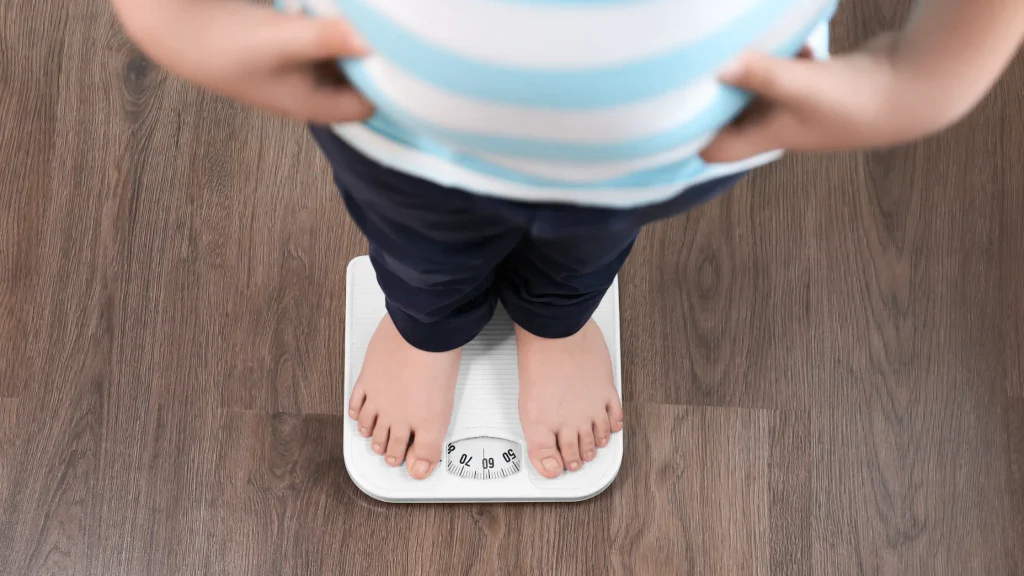
Childhood weight can be a sensitive subject for families. Parents may have genuine concerns about their child’s health while also wanting to protect their confidence and relationship with food.
This is where the conversation around gut health and childhood obesity needs care. Research increasingly suggests that the gut microbiome may interact with metabolism, appetite, inflammation and energy regulation. But the microbiome is only one part of a much larger picture.
Childhood obesity is a complex condition influenced by biological, environmental, social and behavioural factors. The World Health Organization’s overview of childhood overweight and obesity makes clear that there is no single cause or simple solution.
How Does the Gut Microbiome Relate to Childhood Weight?
The gut microbiome contains trillions of microorganisms that interact with the food we eat and with systems throughout the body.
Researchers are increasingly investigating whether differences in these microbial communities may be associated with childhood weight patterns.
Energy processing
Gut bacteria help break down parts of food that the human digestive system cannot digest on its own. During this process, they produce compounds that can interact with metabolism.
Some research suggests that differences in gut microbiota may affect how the body processes energy from food. However, this does not mean that a particular group of bacteria causes a child to gain weight.
A 2025 systematic review examining the relationship between the gut microbiome and paediatric obesity reviewed 70 studies. The researchers identified the microbiome as an important area of investigation because of its possible roles in metabolism, immunity and energy regulation. However, much of the evidence remains observational, and the relationship is still being investigated.
That distinction matters. A microbiome difference found in children with obesity does not automatically mean that the difference caused the obesity.
Appetite and fullness
The gut and brain communicate constantly through the gut-brain axis.
Signals from the digestive system help influence hunger and fullness. Gut microbes also produce compounds that may interact with these pathways.
Researchers are therefore exploring whether differences in the microbiome could influence appetite and eating behaviour.
But appetite is affected by many other factors too, including sleep, stress, hormones, food availability and individual biology. It would be misleading to suggest that gut bacteria alone determine how much a child eats.
Inflammation and metabolic health
The gut microbiome also interacts with the immune system.
Certain patterns of microbiome disruption have been associated with low-grade inflammation and metabolic changes. These findings are relevant because inflammation and metabolic health are also involved in obesity.
However, association does not prove causation. Diet, genetics, physical activity, medications and the wider environment can influence both the microbiome and a child’s weight.
Why Early Life May Matter
The gut microbiome begins developing from the earliest stages of life.
Birth, feeding, antibiotic exposure and the introduction of foods can all influence the developing microbial community.
Our article on The First 1,000 Days: Seeding the Foundation of a Child’s Brain explores why this early period matters for long-term development and health.
This does not mean parents need to create a “perfect” microbiome for their baby.
Many factors affecting early microbiome development are outside a parent’s control. A caesarean birth may be medically necessary. Some babies cannot be breastfed. Antibiotics can sometimes be essential.
These circumstances should not become sources of parental guilt.
The goal is to support healthy development where possible, not to blame parents for factors they could not control.
Why Weight Shouldn’t Become the Main Conversation
It is possible to take a child’s health seriously without making their body size the centre of family life.
A child can have a weight-related health concern without needing to hear that they are “too big” or that they need to lose weight.
Weight stigma can have real consequences. The American Academy of Pediatrics’ guidance on weight stigma in children and adolescents explains that weight-based stigma can contribute to behaviours such as binge eating, social isolation, avoidance of healthcare and reduced physical activity.
That means conversations about childhood weight need to be handled carefully.
Instead of:
“You need to lose weight.”
A parent might say:
“Let’s make sure your body has the food, sleep, movement and care it needs to grow well.”
This keeps the focus on health rather than shame.
Focus on Healthy Habits, Not Restriction
Supporting gut health and childhood weight does not mean putting children on restrictive diets.
It means creating an environment where healthy habits become part of normal family life.
Encourage food variety
Offer a wide variety of age-appropriate foods rather than focusing on restriction.
Fruit, vegetables, legumes, whole grains and other minimally processed foods provide fibre and nutrients that support overall health.
The World Health Organization’s guidance on healthy diets recommends a varied diet built around nutritious foods, including fruits, vegetables, legumes and whole grains.
The goal is not to make every meal perfect. It is to build healthy patterns over time.
Make family meals normal
Children learn about food partly by watching the people around them.
Regular family meals can give children opportunities to experience different foods without turning every meal into a discussion about calories, weight or restriction.
For busy families, preparation can make this easier. GHASA’s guide to Mastering the Sunday Strategy: How Batch Cooking Restores Sanity and Health to the Busy Woman explores how planning and preparing meals ahead can make healthier eating more manageable during demanding weeks.
Encourage enjoyable movement
Children need opportunities to move, play and be active.
That does not have to mean formal exercise or using physical activity to “burn off” food.
Walking, cycling, swimming, dancing, playing football and outdoor games can all contribute to an active lifestyle.
The World Health Organization’s guidance on childhood overweight and obesity recommends physical activity as part of a healthy approach to preventing and managing childhood overweight and obesity.
The emphasis should be on enjoyment, strength, energy and wellbeing rather than punishment or weight loss.
Protect sleep
Sleep is another important part of the picture.
Poor sleep can affect appetite, mood, behaviour and metabolic health. Creating consistent sleep routines can therefore support a child’s overall wellbeing regardless of their weight.
Healthy routines should benefit the whole family, rather than making a child feel singled out because of their body size.
What About Probiotics and Microbiome Supplements?
This is where parents should be particularly cautious.
The growing interest in the microbiome has created a market for probiotics, microbiome tests and products claiming to “rebalance” children’s gut bacteria.
Current research does not support treating a child’s weight with a generic probiotic or commercial microbiome product.
The recent systematic review of paediatric obesity research shows how actively this field is being studied, but it does not establish a simple microbiome-based treatment that parents can use at home.
A child’s microbiome is also highly individual. A commercial microbiome test does not automatically tell you what treatment your child needs.
If you are considering probiotics, supplements or a restrictive dietary programme, discuss them with your child’s paediatrician or registered dietitian first.
What Should Parents Do If They’re Concerned About Their Child’s Weight?
Don’t try to manage the situation based on comparisons with other children.
Children grow at different rates, and a single weight measurement cannot tell the whole story.
A healthcare professional can assess a child’s growth over time, including height, weight and age-appropriate BMI measurements.
The American Academy of Pediatrics’ clinical practice guideline for children and adolescents with obesity recommends a comprehensive approach that considers the child’s health, family circumstances and other contributing factors rather than treating weight in isolation.
A paediatrician can consider factors such as:
- Family health history
- Eating patterns
- Physical activity
- Sleep
- Medications
- Growth over time
- Puberty and development
- Other medical conditions
This provides a much more useful picture than simply asking whether a child “looks overweight.”
Frequently Asked Questions
Should I put my child on a diet if I’m worried about their weight?
Don’t put a child on a restrictive diet without professional guidance.
Children need adequate energy and nutrients for growth and development. Restrictive dieting can also create an unhealthy relationship with food, particularly when weight and body image become the focus.
If you are concerned about your child’s growth or weight, speak with a paediatrician or registered dietitian. They can assess your child’s growth pattern and recommend an appropriate approach.
Can changing my child’s gut bacteria help them lose weight?
There is currently not enough evidence to recommend manipulating the gut microbiome as a standalone treatment for childhood obesity.
Research into the relationship is promising, but scientists are still working out which microbiome changes matter and whether deliberately changing them produces meaningful health benefits.
Should I get my child’s microbiome tested?
Commercial microbiome testing is not currently a reliable basis for making individual decisions about a child’s weight.
A healthcare professional can provide a much more useful assessment by looking at your child’s overall growth, nutrition, lifestyle and medical history.
How should I talk to my child about weight?
Try not to make weight or body size the centre of the conversation.
Talk instead about having energy, growing strong, getting enough sleep, enjoying different foods and finding physical activities they enjoy.
The AAP recommends using respectful, non-stigmatising language when discussing weight with children and families. Its clinical guidance specifically recommends person-first language and emphasises the importance of reducing weight bias during healthcare conversations.
Avoid teasing, criticism and comparisons with siblings or other children.
Most importantly, children should understand that their value is not determined by their body size.
GHASA’s Role
GHASA believes conversations about gut health, childhood obesity and weight should be grounded in evidence and compassion.
The gut microbiome is an exciting area of research, but it should not become another reason for parents to blame themselves or for children to blame themselves.
Healthy childhood development is about much more than a number on a scale. Supporting nutritious food, enjoyable movement, adequate sleep, positive family routines and appropriate medical care gives children a healthier foundation without turning their bodies into a problem that needs fixing.
This article is intended for educational purposes only. It should not replace advice from a qualified paediatrician, registered dietitian or other healthcare professional.