
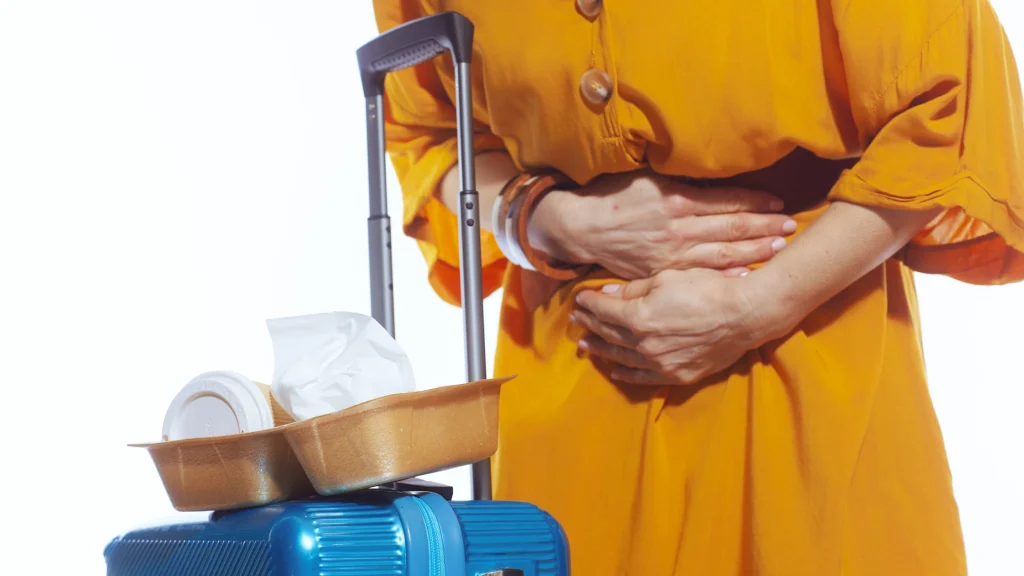
Whether it’s a Garden Route road trip, a Christmas visit to family in another province, or a beach holiday over the December break, South African family travel can sometimes come with an unwelcome extra guest: a tummy bug.
Changes in food and water, disrupted routines and increased contact with other people can all contribute to digestive upset. For young children, there is an additional concern: vomiting and diarrhoea can lead to dehydration relatively quickly.
The good news is that families can take a few practical steps to reduce the risk and respond appropriately if illness does occur.
Why Travel Can Increase Gut Upset Risk for Kids
Travel changes more than your location. It can also change what your child eats, drinks, touches and is exposed to.
Unfamiliar Food and Water
Food and water safety can vary between destinations. Contaminated food or drinking water can spread bacteria, viruses and parasites that cause diarrhoeal illness. The World Health Organization’s guidance on diarrhoeal disease highlights safe drinking water, sanitation and handwashing as important ways to reduce the risk.
This doesn’t mean families need to be afraid of every new food or water source. It means being sensible about where food and drinks come from.
If you’re travelling somewhere where you’re unsure about the safety of the local water supply, follow local guidance. Properly treated or sealed bottled water may be a sensible option, particularly for young children.
Disrupted Routines
Holiday schedules can be exciting, but they can also disrupt digestion.
Changed mealtimes, more restaurant food, unfamiliar snacks and different sleeping patterns can all affect a child’s digestive routine. Some children may experience constipation, looser stools, bloating or a temporary change in appetite.
Keeping some familiar foods and routines in place can make the transition easier, particularly for younger children.
Increased Exposure in Shared Spaces
Travel often means spending more time around other people.
Airports, hotels, holiday homes, swimming pools, restaurants and busy tourist attractions can increase opportunities for infections to spread. Some gastrointestinal infections pass from person to person, while others spread through contaminated food or water.
Good hygiene therefore remains important throughout the trip.
Heat and Hydration
This is especially relevant during South Africa’s summer holiday season.
Hot weather increases fluid needs. Vomiting and diarrhoea can then cause additional fluid and electrolyte losses.
For children, this combination can become serious. The WHO identifies dehydration as the most severe threat associated with diarrhoeal illness.
How to Protect Your Family’s Gut While Travelling
You don’t need to turn a family holiday into a list of food restrictions. A few practical habits can reduce unnecessary risk.
1. Be Careful With Drinking Water
If you’re travelling somewhere where you’re unsure about water safety, check local advice before drinking from unfamiliar sources.
Use safe water for drinking and, where appropriate, for preparing infant formula and food. Be mindful of ice and drinks that may have been prepared using untreated water as well.
The CDC recommends paying particular attention to food and water safety when travelling and choosing safer food and drinks to reduce the risk of diarrhoeal illness.
2. Keep Some Familiar Foods in the Routine
Children don’t need to eat exactly what they eat at home throughout the holiday.
However, keeping some familiar foods and regular meal patterns can make travelling easier on their digestion.
Pack a few familiar snacks for long journeys rather than relying entirely on petrol-station food or unfamiliar takeaway meals.
Planning food ahead can also make healthy eating easier for busy families. Our guide to batch cooking and the Sunday strategy explores how preparation can make nutritious meals more manageable.
3. Wash Hands Regularly
Handwashing is one of the simplest ways to reduce the spread of infections.
Encourage children to wash their hands with soap and water:
- Before eating
- After using the toilet
- After playing in shared areas
- After touching animals
- Before helping prepare food
If soap and water aren’t available, an alcohol-based hand sanitiser can be useful. The CDC recommends handwashing with soap and water and, when that isn’t possible, using hand sanitiser containing at least 60% alcohol.
4. Be Sensible About Food Preparation
You don’t necessarily need to avoid every street-food stall or informal food vendor.
Instead, pay attention to practical food-safety signs.
Food that is freshly prepared and served hot is preferable to food that has been sitting at room temperature for long periods. Be particularly cautious with foods that require refrigeration but have been left out in warm conditions.
The CDC recommends avoiding lukewarm food while travelling and choosing food that is properly cooked and served hot where possible. Its food and drink safety guidance for travellers also provides practical advice about drinking water, ice and food preparation.
Extra caution is sensible for babies, very young children and anyone who may be more vulnerable to complications from infection.
5. Don’t Automatically Rely on Probiotics
Probiotics are sometimes promoted as a way to prevent travel-related diarrhoea or other digestive problems.
However, probiotic products contain different strains, and evidence for one product cannot automatically be applied to another.
If you’re considering a probiotic for your child before travelling, discuss the specific product with your paediatrician or another qualified healthcare professional rather than assuming that any probiotic will prevent a tummy bug.
If a Tummy Bug Does Strike
Even with careful preparation, children can still develop stomach infections while travelling.
When that happens, hydration becomes the priority.
Focus on Replacing Lost Fluids
Vomiting and diarrhoea cause the body to lose both water and electrolytes.
Oral rehydration solution (ORS) is designed to replace these losses. The WHO recommends ORS as an important treatment for diarrhoeal disease and explains that it can prevent or treat dehydration in most cases.
Keep an appropriate ORS product in your travel first-aid kit, particularly when travelling with young children.
If your child is vomiting, small and frequent amounts of fluid may be easier to tolerate than giving a large amount at once.
Don’t Deliberately Starve Your Child
A child with an acute stomach bug may temporarily lose their appetite.
The immediate priority is maintaining hydration. Once they feel able to eat, returning gradually to their normal, nutritious diet is generally preferable to prolonged fasting.
WHO guidance supports continuing nutrient-rich foods, including breast milk, during diarrhoeal illness rather than unnecessarily withholding nutrition.
Know the Warning Signs
Parents should know what dehydration and serious illness can look like.
Seek medical attention promptly if your child develops:
- Very little or no urine
- A very dry mouth
- No tears when crying
- Sunken eyes
- Unusual sleepiness, weakness or lethargy
- Difficulty drinking or keeping fluids down
- Blood in the stool
- Persistent or high fever
- Severe abdominal pain
- Symptoms that are worsening rather than improving
The WHO identifies signs such as lethargy, sunken eyes and difficulty drinking as indicators that can occur with severe dehydration.
Don’t wait for a specific number of hours if your child looks seriously unwell.
Travelling With Children Who Have Sensitive Digestion
Some children already experience constipation, food sensitivities or recurring digestive symptoms.
For these children, preparation can make travelling much easier.
Try to maintain important routines where possible. Pack familiar foods and any medication your child normally needs. If your child follows a medically recommended diet, plan ahead rather than trying to find suitable alternatives after arriving at your destination.
If your child already experiences recurring abdominal symptoms, our guide to IBS in South Africa, including symptoms, triggers and evidence-based strategies may also help you understand which digestive symptoms deserve further attention.
The goal isn’t to make children afraid of unfamiliar food. It’s to give families enough preparation to make sensible choices without turning a holiday into a medical exercise.
What About Probiotics Before Travel?
It’s easy to see probiotic supplements marketed as a simple form of protection against tummy bugs.
But “probiotic” isn’t a single treatment. Different products contain different organisms and strains, and evidence of benefit in one situation doesn’t mean every product will work in the same way.
Parents considering probiotics for a child should therefore discuss the specific product and reason for using it with a healthcare professional.
For most families, the basics remain more important: safe food and water, good hand hygiene, adequate hydration and appropriate medical care when needed.
Frequently Asked Questions
Is it safe to give children probiotics before a trip?
Not every probiotic has the same evidence behind it. Benefits can depend on the specific strain, product and situation.
If you’re considering a probiotic for your child before travelling, discuss it with your paediatrician or another qualified healthcare professional.
How long should we wait before seeking medical help for a child’s tummy bug while travelling?
Don’t focus only on the number of hours or days.
A child with significant dehydration, blood in the stool, persistent vomiting, severe pain, high fever or unusual lethargy should be assessed promptly.
Children can become dehydrated quickly, so seek medical advice when warning signs appear rather than waiting for a specific timeframe.
Should we avoid all street food when travelling within South Africa?
No. Blanket avoidance isn’t necessary.
Instead, look at how the food is prepared and stored. Freshly cooked food served hot is preferable to food that has been sitting out for extended periods.
Good hand and food hygiene are important regardless of whether you’re eating at a restaurant, food stall or family gathering.
Can travelling cause digestive problems without an infection?
Yes.
Changes in diet, meal timing, sleep, activity and stress can all affect digestion. A child may therefore experience a temporary change in bowel habits or appetite without having an infectious stomach bug.
However, persistent, severe or concerning symptoms should not automatically be blamed on travel or dietary changes.
GHASA’s Role
GHASA supports South African families with practical, evidence-based information about gut health in everyday life.
Travel should be an opportunity to make memories, not a source of unnecessary anxiety. With sensible food and water precautions, good hand hygiene and an understanding of dehydration warning signs, families can prepare for common digestive problems without becoming overly restrictive.
This article is intended for educational purposes only and should not replace medical advice. Seek prompt medical care for any child showing signs of significant dehydration, severe illness or worsening symptoms while travelling.