
Bloating, abdominal pain, constipation, diarrhoea and other digestive symptoms are commonly reported by people living with endometriosis. Because many of these symptoms overlap with conditions such as irritable bowel syndrome (IBS), it can sometimes take years to identify the underlying cause.
Endometriosis is more than a condition affecting the reproductive system. It is a chronic, inflammatory disease influenced by hormones, immune responses and pain pathways. Increasing research is also exploring how the gut microbiome may fit into this picture.
The relationship between endometriosis and gut health is complex. Gut symptoms do not necessarily mean that endometriosis has affected the bowel directly, and having digestive symptoms does not by itself indicate endometriosis. However, when persistent digestive problems occur alongside severe period pain, pelvic pain or symptoms that fluctuate with the menstrual cycle, it is worth discussing the possibility of endometriosis with a healthcare professional.
What Is Endometriosis?
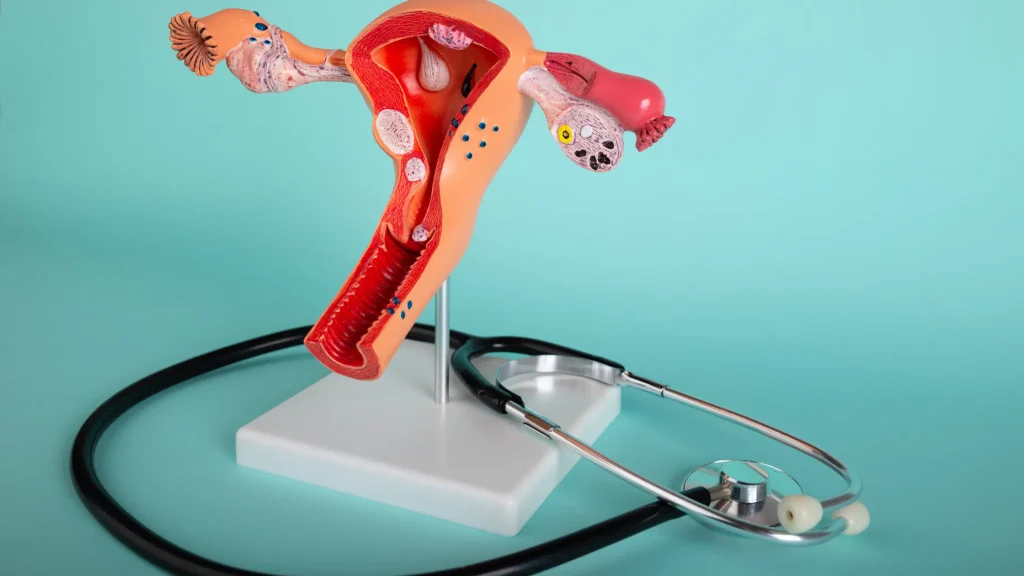
Endometriosis is a chronic condition in which tissue similar to the lining of the uterus grows outside the uterus. It can occur on structures such as the ovaries, fallopian tubes and pelvic lining, and in some cases can affect or grow close to the bowel.
These lesions can respond to hormonal changes throughout the menstrual cycle. This can contribute to inflammation, pain, scar tissue and adhesions.
Endometriosis is also associated with symptoms beyond pelvic pain, including painful periods, pain during sex, infertility and gastrointestinal symptoms.
Why Can Endometriosis Cause Digestive Symptoms?
There isn’t one explanation for the connection between endometriosis and digestive symptoms. Several mechanisms may contribute.
1. Endometriosis Can Involve the Bowel
In some people, endometriosis affects the bowel or tissues surrounding it. When lesions involve the bowel, symptoms can include painful bowel movements, constipation, diarrhoea, abdominal pain and other changes in bowel function.
Bowel symptoms can become particularly noticeable around menstruation.
However, digestive symptoms can also occur in people whose bowel is not directly affected by endometriotic lesions. This is one reason the relationship between endometriosis and gut health is more complicated than simply having “endometriosis on the bowel.”
2. Endometriosis Is Associated With Chronic Inflammation
Endometriosis is an inflammatory condition. The inflammatory environment associated with the disease can interact with multiple systems involved in pain and digestion.
Research has also found an association between endometriosis and gastrointestinal disorders such as IBS. A systematic review and meta-analysis found that people with endometriosis had a higher likelihood of also having IBS, highlighting the significant overlap between the two conditions.
This does not mean that endometriosis causes IBS, or that every digestive symptom in someone with endometriosis comes from the same mechanism. It does, however, highlight why the two conditions can be difficult to distinguish.
3. The Gut Microbiome and Oestrogen
One of the most interesting areas of current research is the relationship between the gut microbiome and oestrogen metabolism.
The estrobolome refers to the collection of genes in the gut microbiome involved in the metabolism of oestrogens. Certain gut bacteria produce enzymes that can influence how oestrogen is processed and recirculated in the body.
Because endometriosis is an oestrogen-dependent condition, researchers are investigating whether changes in the gut microbiome could influence the hormonal and inflammatory environment associated with the disease.
A review published in Human Reproduction Update examined the potential relationship between the gut and reproductive microbiota, the estrobolome, and endometriosis. The researchers found growing evidence of an association between microbiome changes and endometriosis, while emphasising that the field still has important methodological limitations and that the exact mechanisms remain unclear.
Scientific source: The role of gut and genital microbiota and the estrobolome in endometriosis, infertility and chronic pelvic pain — Human Reproduction Update
More recent research continues to investigate this relationship, including how microbial enzymes may influence oestrogen metabolism and inflammatory pathways.
This is an important distinction: research suggests a possible relationship between gut microbiome changes, oestrogen metabolism and endometriosis, but it has not established that changing the microbiome can prevent or cure endometriosis.
For a deeper look at this pathway, read GHASA’s article on the estrobolome and how the gut microbiome regulates oestrogen.
4. The Gut-Brain Axis and Pain Sensitivity
The gut and nervous system communicate continuously through what is commonly called the gut-brain axis.
Chronic pain conditions can affect how the nervous system processes signals from different parts of the body. In endometriosis, persistent pelvic pain may contribute to changes in pain sensitivity, which can make gastrointestinal sensations feel more intense.
This may help explain why someone can experience significant bloating, abdominal discomfort or bowel symptoms even when there is no obvious bowel lesion responsible for those symptoms.
In other words, digestive symptoms are not necessarily “all in your head.” The nervous system, immune system and digestive system are closely interconnected.
Endometriosis and IBS: Why They Can Be Confused
Bloating, abdominal pain, constipation and diarrhoea are common symptoms of IBS as well as gastrointestinal symptoms associated with endometriosis.
This overlap can make diagnosis challenging.
Someone may be treated for IBS while an underlying gynaecological condition remains unrecognised. Equally, someone with confirmed endometriosis can genuinely have IBS at the same time.
A particularly important clue is cyclical symptoms.
Consider speaking to a healthcare professional if digestive symptoms repeatedly become worse around your period, particularly when they occur alongside:
- Severe period pain
- Persistent pelvic pain
- Pain during bowel movements
- Pain during sex
- Heavy or irregular menstrual bleeding
- Difficulty becoming pregnant
- Bloating that becomes particularly severe around menstruation
This does not mean that these symptoms automatically indicate endometriosis. It simply means they may warrant a broader assessment rather than assuming that IBS is the complete explanation.
Common Digestive Symptoms Associated With Endometriosis
People living with endometriosis may report:
- Significant bloating, sometimes described as “endo belly”
- Abdominal or pelvic discomfort
- Pain during bowel movements
- Constipation
- Diarrhoea
- Alternating constipation and diarrhoea
- Nausea
- Changes in bowel habits around menstruation
The pattern can vary considerably between individuals.
Importantly, digestive symptoms should not be used to diagnose endometriosis on their own.
Supporting Gut Health Alongside Endometriosis Management
Improving gut health should be viewed as a complementary part of overall wellbeing, not as a replacement for evidence-based endometriosis treatment.
There is currently no dietary approach proven to cure endometriosis. Medical treatment may include pain management, hormonal therapies and, in selected cases, surgery.
However, some practical approaches may support digestive health and overall nutrition.
Focus on dietary variety
A varied diet containing vegetables, fruits, whole grains, legumes, nuts and seeds can provide different types of fibre and nutrients that support a diverse gut microbiome.
However, more fibre is not automatically better for everyone. People experiencing significant bloating or IBS-like symptoms may need to adjust fibre intake gradually and identify which foods they tolerate best.
Identify individual food triggers
Some people notice that particular foods worsen their bloating, abdominal discomfort or bowel symptoms.
Keeping a food and symptom diary can help identify patterns.
It is generally better to look for individual triggers than to eliminate large numbers of foods without professional guidance. Restrictive diets can make it harder to meet nutritional needs and may unnecessarily reduce dietary variety.
Support microbiome diversity
A diverse, fibre-rich diet can help provide substrates for beneficial gut bacteria. This is particularly relevant to ongoing research into the microbiome and the estrobolome.
However, research into microbiome-targeted treatments for endometriosis is still developing. The current evidence is not strong enough to recommend microbiome manipulation as a treatment for endometriosis.
Work with the right healthcare professional
If you have persistent or severe symptoms, consider speaking with a healthcare professional rather than trying to manage everything through diet.
A gynaecologist with experience in endometriosis can be particularly helpful when symptoms suggest the condition may be involved.
Frequently Asked Questions
How is endometriosis diagnosed?
Endometriosis can be suspected based on symptoms, medical history, examination and imaging such as ultrasound or MRI.
Current European Society of Human Reproduction and Embryology (ESHRE) guidance recommends considering endometriosis when people present with symptoms such as painful periods, deep pain during sex, painful bowel movements, painful urination, infertility and other cyclical symptoms.
Imaging can form part of the diagnostic process, while laparoscopy may be considered in appropriate circumstances.
Scientific source: ESHRE guideline: Endometriosis — Human Reproduction Open
Can diet alone treat endometriosis?
No.
Diet may help some people manage digestive symptoms and support overall health, but there is currently no diet proven to eliminate endometriosis.
Dietary changes should therefore be considered complementary to, rather than a replacement for, appropriate medical care.
Is severe period pain just something I have to live with?
No.
Period pain that is severe enough to interfere with work, education, relationships or everyday activities deserves medical attention.
Endometriosis is one possible cause of severe menstrual and pelvic pain, among several others. If symptoms are persistent or worsening, speak to a healthcare professional and explain how they affect your daily life.
Does having bloating mean I have endometriosis?
Not necessarily.
Bloating is extremely common and can have many causes, including diet, constipation, IBS and other gastrointestinal or gynaecological conditions.
However, persistent bloating that repeatedly becomes worse around menstruation—especially when accompanied by significant pelvic pain or painful bowel movements—is worth discussing with a healthcare professional.
The Bottom Line
The relationship between endometriosis and gut health is an important and rapidly developing area of research.
Endometriosis can be associated with digestive symptoms through several possible pathways, including bowel involvement, inflammation, altered pain processing and interactions between the gut microbiome and hormonal pathways.
The estrobolome is particularly interesting because gut bacteria can participate in oestrogen metabolism. However, researchers are still working to determine exactly how microbiome changes relate to the development and progression of endometriosis and whether targeting the microbiome can meaningfully improve clinical outcomes.
For now, the most useful approach is not to look for a single “endometriosis diet” or a miracle gut-health treatment. Instead, focus on a varied and nourishing diet, pay attention to your individual digestive triggers, and seek appropriate medical care for persistent or severe symptoms.
GHASA believes that better information can help women recognise when symptoms deserve further investigation. Understanding the connection between reproductive health, inflammation and the gut is one part of that conversation.
Explore GHASA membership and become part of a community working to improve awareness and understanding of gut health in South Africa.
This article is intended for educational purposes only and should not replace medical advice, diagnosis or treatment from a qualified healthcare professional.