
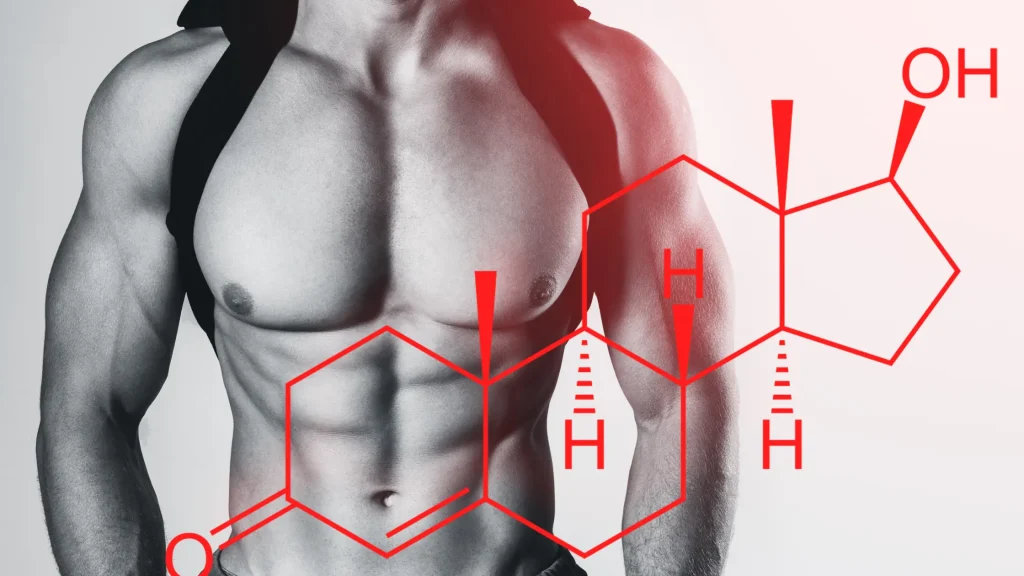
Low energy. Reduced motivation. Mood that feels flatter than it used to. Many South African men attribute these changes to “just getting older” or work stress, and reach first for testosterone testing or supplements. Fewer consider that the gut may be part of the story, quietly influencing hormone production in ways a standard blood test panel doesn’t capture.
How the Gut Influences Testosterone
The relationship works through several mechanisms:
- Inflammation. A disrupted gut microbiome can drive chronic low-grade inflammation, which research links to suppressed testosterone production over time. This inflammation doesn’t need to cause obvious digestive symptoms to still be affecting hormone production in the background.
- Nutrient absorption. Testosterone production depends on nutrients including zinc, vitamin D, magnesium, and healthy fats. A gut that isn’t absorbing nutrients efficiently can quietly undermine hormone production, even with a reasonable diet on paper, since absorption matters as much as intake.
- Gut bacteria and hormone metabolism. Similar to the estrobolome’s role in oestrogen, certain gut bacteria are involved in metabolising and regulating androgens, including testosterone, meaning the composition of gut bacteria directly shapes how much active testosterone circulates in the body.
- The stress-cortisol connection. Chronic stress elevates cortisol, which competes with testosterone production, since both hormones are produced via overlapping pathways in the body. Since the gut and nervous system are in constant communication via the gut-brain axis, prolonged digestive stress can itself become a physiological stressor that suppresses testosterone further.
The Overtraining Trap
Many men respond to fatigue or flat mood by training harder, assuming discipline and effort are the missing ingredient. But if the underlying issue is gut-driven inflammation suppressing testosterone, additional training stress without addressing recovery can worsen the exact cortisol-testosterone imbalance driving the symptoms in the first place. This creates a frustrating cycle: more training, more fatigue, more frustration, and often a turn toward supplements marketed to “boost testosterone naturally” without addressing the gut-level inflammation that may be the actual root cause.
Breaking this cycle usually means stepping back and looking at the fuller picture: sleep quality, alcohol intake, chronic stress, and digestive symptoms, alongside training load, rather than assuming more effort in the gym alone will resolve hormonal fatigue.
Signs Worth Paying Attention To
- Persistent fatigue not resolved by sleep, even after a full night’s rest
- Reduced motivation or mental sharpness that feels different from ordinary tiredness
- Changes in mood or increased irritability without an obvious external cause
- Reduced muscle recovery or gym performance despite consistent training
- Increased abdominal fat despite consistent training and reasonable diet
- Lower libido, often one of the last symptoms men mention to a doctor, if they mention it at all
These symptoms have many possible causes and should always be discussed with a doctor, but gut health is a legitimate, evidence-supported piece of the picture that’s rarely raised in a standard consultation focused narrowly on a testosterone blood test.
Supporting Gut Health for Hormonal Function
- Prioritise protein and healthy fats, both essential building blocks for hormone production
- Address chronic constipation or bloating, which may indicate broader digestive dysfunction affecting nutrient absorption
- Reduce alcohol intake, which disrupts both gut lining integrity and hormone metabolism directly
- Support quality sleep, since both gut repair and hormone production happen significantly during deep sleep stages
- Manage training stress, since overtraining without adequate recovery elevates cortisol and can suppress testosterone, undermining the very training goals a man may be pursuing
A Note on Testosterone Supplements
The supplement market is saturated with products claiming to naturally boost testosterone, often at a significant price point with limited independent evidence behind the specific formulation. Many of the nutrients genuinely linked to healthy testosterone production, such as zinc, magnesium, and vitamin D, are more reliably and affordably obtained through a varied, gut-supportive diet than through a proprietary blend, unless a specific deficiency has been identified through blood testing.
Why This Conversation Matters
Men are statistically less likely than women to seek medical advice for symptoms they consider embarrassing or vague, including fatigue, low mood, and reduced libido. Framing these as potential gut-hormone issues, backed by real physiology, gives men a more concrete, less stigmatised way to start the conversation with a healthcare provider, rather than waiting until symptoms become severe or simply attributing them to age.
The South African Context
South African men, particularly in demanding corporate or physically intensive jobs, often normalise chronic fatigue and low mood as an unavoidable part of “grinding” through work and family responsibilities. Braai and social drinking culture also mean alcohol intake is frequently higher than men themselves realise, with direct implications for both gut lining integrity and testosterone metabolism, as covered in more depth in our piece on alcohol and the gut.
Gym culture is also significant in South Africa, and many men chasing visible fitness results focus heavily on training volume and supplements while overlooking gut health as a genuine performance and recovery lever. Addressing digestive symptoms like bloating or irregular bowel habits is often seen as a separate, lower-priority issue rather than something directly tied to the hormonal profile a man is actively trying to optimise through training.
Frequently Asked Questions
Can gut health issues cause low testosterone even with a healthy diet?
Yes, potentially. If the gut isn’t absorbing nutrients efficiently due to inflammation or microbiome imbalance, dietary intake alone doesn’t guarantee those nutrients are reaching the tissues that need them for hormone production.
Should men with low energy get a testosterone test, a gut health check, or both?
Ideally both should be part of the conversation with a doctor, since low testosterone symptoms and gut-related symptoms overlap significantly, and addressing one without considering the other may leave part of the underlying picture unaddressed.
Does alcohol really affect testosterone that much?
Regular, heavier alcohol intake has well-documented negative effects on testosterone production and gut lining integrity. Even moderate, socially normalised drinking patterns common in South Africa can have a cumulative effect over months and years that’s worth being aware of.
Is it worth getting a gut health test alongside a testosterone test?
Standard gut microbiome testing isn’t yet a routine part of clinical practice in most South African settings, but discussing digestive symptoms alongside hormone symptoms with a doctor helps build a fuller picture than a testosterone blood test reviewed in isolation.
GHASA’s Role
GHASA works to bring South African men clear, non-judgmental education about the gut’s role in overall vitality, because real health is about more than muscle and macros, and because starting the right conversation with a doctor often begins with understanding what’s actually happening physiologically.
This article is intended for educational purposes only and should not replace medical advice, diagnosis, or treatment from a qualified healthcare professional.
Further reading here:
Beer Boep, Bloating or Burnout? What Your Gut May Be Telling You
Stress, Sleep & Stomach Health: Why Men Can’t Ignore the Gut-Brain Connection