
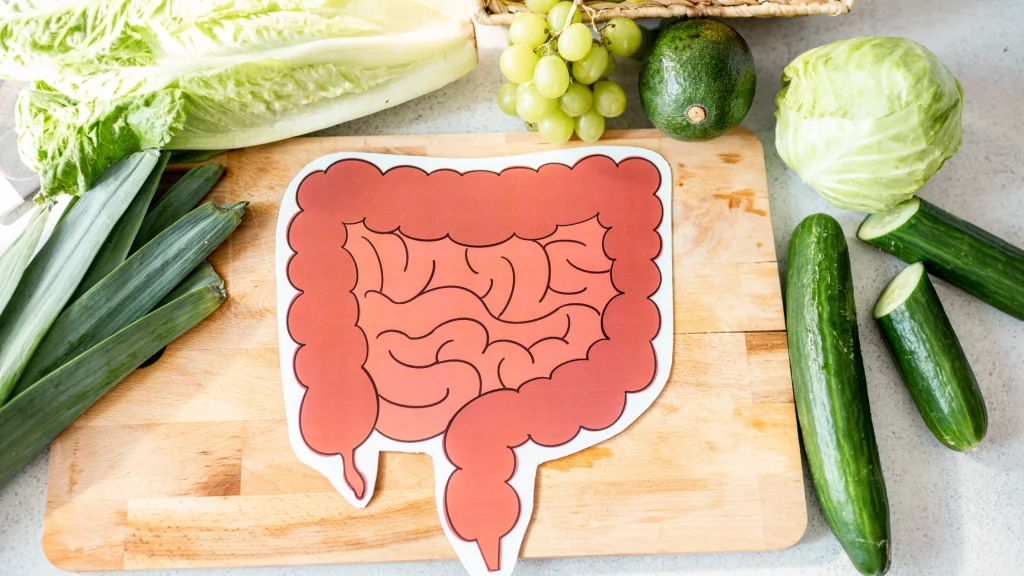
For decades, conversations around health focused almost exclusively on visible symptoms. We measured health through weight, blood pressure, cholesterol levels, and disease diagnosis, often overlooking one of the most influential systems in the human body: the gut.
Today, that is rapidly changing.
Modern scientific research has revealed that gut health is not simply about avoiding stomach discomfort or maintaining regular digestion. The gastrointestinal tract is now understood to be a central control system influencing immunity, metabolism, inflammation, mental wellbeing, nutrient absorption, and even long-term disease risk.
At the centre of this discovery lies the human microbiome – the vast ecosystem of trillions of microorganisms living primarily within the digestive tract. These microbes are not harmful invaders; many are essential partners in maintaining human health.
A healthy gut is therefore not defined by the absence of symptoms alone. It is defined by balance, diversity, resilience, and communication between the microbiome and the body’s major systems.
The Gut as an Ecosystem
The digestive system is often imagined as a simple food-processing tube. In reality, it functions more like a living ecosystem.
Within the colon alone reside trillions of bacteria, fungi, and microbes that help regulate critical biological processes. These microorganisms assist in:
• Breaking down dietary fibre
• Producing essential vitamins
• Supporting immune defence
• Regulating inflammation
• Protecting the intestinal lining
• Producing compounds linked to mood and cognition
When this microbial ecosystem remains diverse and balanced, the body functions more efficiently. However, when the ecosystem becomes disrupted – a condition known as dysbiosis – the effects may extend far beyond digestion.
Emerging research increasingly links microbial imbalance to conditions such as:
• Obesity
• Type 2 diabetes
• Irritable Bowel Syndrome (IBS)
• Allergies
• Autoimmune conditions
• Anxiety and depression
• Cardiovascular disease
This represents one of the most significant paradigm shifts in modern medicine: health may begin with the health of the gut environment itself.
The Four Core Signs of a Healthy Gut
While gut health is highly individualized, researchers and healthcare professionals generally associate a healthy gut with four foundational characteristics.
- Microbial Diversity
A healthy gut contains a wide variety of beneficial microbes rather than dominance by only a few species.
Diet plays a major role in determining this diversity. Populations consuming a wide range of plant foods, legumes, whole grains, fermented foods, and fibre-rich vegetables tend to support healthier microbial ecosystems.
Scientific evidence consistently shows that microbial diversity is associated with stronger immunity and lower inflammatory disease risk.
- Strong Intestinal Barrier Function
The intestinal lining acts as a protective gatekeeper between the digestive tract and the bloodstream.
When the gut barrier becomes compromised, inflammatory compounds and bacterial toxins may pass into circulation, contributing to systemic inflammation.
Maintaining gut integrity requires:
• Adequate fibre intake
• Reduced ultra-processed foods
• Proper hydration
• Stress management
• Healthy sleep patterns
- Effective Digestion and Nutrient Absorption
A healthy gut should efficiently digest food and absorb nutrients while minimizing symptoms such as:
• Persistent bloating
• Chronic constipation
• Ongoing diarrhoea
• Severe reflux
• Excessive discomfort after meals
Digestive symptoms are often early warning signals that the gut environment may require attention.
- Balanced Immune Communication
Approximately 70% to 80% of immune tissue is located in the gut.
The microbiome plays a critical role in “training” the immune system to distinguish between harmful pathogens and harmless substances.
An imbalanced gut may contribute to inappropriate immune activation, chronic inflammation, and increased susceptibility to illness.
Modern Life vs The Microbiome
One of the greatest challenges facing modern gut health is that contemporary lifestyles often work directly against microbial diversity.
Factors contributing to microbiome disruption include:
• Highly processed diets
• Excessive sugar intake
• Low fibre consumption
• Chronic stress
• Poor sleep
• Sedentary lifestyles
• Overuse of antibiotics
• Environmental pollutants
Urbanization and convenience-driven eating patterns have dramatically reduced the diversity of microbes humans are exposed to compared to previous generations.
In many ways, modern society has become exceptionally efficient at feeding ourselves while simultaneously starving the microbiome.
The Future of Preventative Health
The growing understanding of gut health is reshaping the future of healthcare itself.
Instead of waiting for disease to emerge, healthcare is increasingly shifting toward prevention, ecosystem balance, and lifestyle-driven intervention.
This does not mean the gut is responsible for every illness. However, evidence strongly suggests that the health of the microbiome significantly influences the body’s resilience, inflammatory response, and ability to maintain long-term wellness.
The future of medicine may not only involve treating disease – but cultivating the internal environment that prevents disease from developing in the first place.
A healthy gut is therefore not a wellness trend.
It is one of the foundational pillars of human health.