
by Naturopath Dr Judy Bowles.
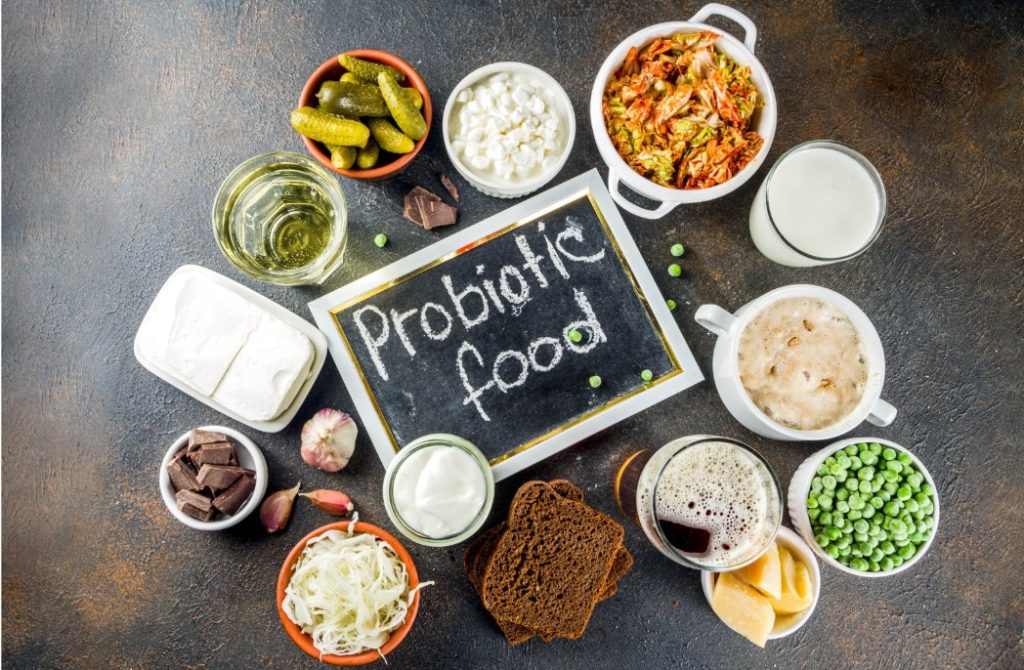
For many South Africans embarking on a gut-health journey, fermented foods like kefir, kimchi, and sauerkraut are seen as the ultimate “superfoods.” However, for a small percentage of first-time users, that first glass of coconut milk kefir doesn’t result in a “glow” – it results in a flare.
When a consumer experiences symptoms like fever, systemic discomfort, or even secondary infections after trying a probiotic-rich product, the immediate assumption is often an allergy or product contamination. But the clinical reality is often far more complex.
Here is an exploration of why the body sometimes “rejects” the very thing intended to heal it.
1. The “Snow Globe” Effect: Microbial Die-Off
In a compromised gut environment – especially one dealing with yeast overgrowth (Candida) or dysbiosis – introducing high-potency probiotics is like shaking a snow globe.
This is often referred to as a Herxheimer-type response. When potent beneficial bacteria enter a fragile ecosystem, they begin to displace “unfriendly” bacteria and fungi. As these pathogens die off, they release endotoxins. If the body’s detoxification pathways are sluggish, this can trigger:
- Flu-like symptoms (fever and chills)
- Systemic inflammation (cytokine release)
- The surfacing of dormant issues (existing fungal or bacterial imbalances becoming active)
The takeaway: This isn’t an allergy; it’s an immune system “overdrive” because the intervention was too powerful for the current terrain.
2. The Casein Myth vs. Reality
A common concern with non-dairy kefirs (like coconut milk kefir) is a reaction to casein – a protein found in mammalian milk.
Important Distinction: Coconut milk is naturally 100% casein-free. If a producer maintains separate grains and equipment, there is no mechanism for casein to be present.
While lactose intolerance is common, a systemic reaction involving fever and the need for antifungals or antibiotics is medically inconsistent with a simple protein intolerance. Casein reactions typically manifest as GI distress, skin rashes, or sinus congestion – not systemic infection.
3. Histamine Intolerance: The Hidden Trigger
Fermentation is a high-histamine process. For individuals with Mast Cell Activation Syndrome (MCAS) or a deficiency in the DAO enzyme (which breaks down histamine), fermented foods can act like a chemical trigger.
A “histamine dump” can cause:
- Burning sensations or swelling
- Rapid heartbeat
- Intense systemic discomfort
To the sufferer, this feels like a “poisoning,” but it is actually a metabolic inability to process the natural byproducts of fermentation.
Clinical Clues: Why the Treatment Matters
When a reaction is treated by medical professionals with antifungals and antibiotics, it provides a major clue. Doctors do not prescribe these for food allergies or intolerances; they prescribe them for active infections or severe dysbiosis.
If a fermented food “triggered” a need for these medications, it suggests the product likely unmasked a pre-existing fungal overgrowth or a systemic imbalance that was already present beneath the surface.
Moving Forward: The “Low and Slow” Approach
For the South African consumer and practitioner alike, the lesson isn’t to avoid fermented foods, but to respect their potency. If you are a “sensitive” individual or have a history of chronic stress and gut issues, consider these steps:
| Step | Action |
| Start Small | Begin with a single teaspoon per day, not a full glass. |
| Listen to the Body | If you feel “fuzzy” or feverish, stop and let the system settle. |
| Hydrate | Support the kidneys and liver in flushing out die-off toxins. |
| Consult | If reactions are severe, work with a practitioner to address underlying Candida before reintroducing ferments. |
The bottom line: A strong reaction to a clean, fermented product is usually a map of the internal environment, not a reflection of the product’s integrity. Healing the gut is a marathon, not a sprint.